Retro & Throwback Football Shirts — The Ones Still on the Shelf
Topic · Retro & throwback
The shirts people still ask for by year
Not a list of old stock. Four chapters on why an older design is a completely different buy from the current season's — what to look for, what to skip, and who it actually suits.
What this topic covers
Four chapters, in order
Why an older shirt is a different buy · the three kinds worth owning · how to judge one · who it suits.
Everything here is drawn from what is actually on the rail rather than from an archive list — each chapter ends with live shirts you can open, and the prices and stock are as they stand when you look. If you came for a specific club, jump to the links at the bottom instead.
Why an older shirt is a different buy
A current-season shirt is a bet on this year. A retro is the opposite — you already know how the story ends.
Buying the current season's shirt is a small act of optimism: you are buying into a year that has not finished yet. The design might change in January, the player you print on the back might be gone by March, and the whole thing is only ever going to be 'this season's' for twelve months. None of that is a reason not to do it — it is the fun part.
An older design works the other way round. The season is over, you know exactly how it ended, and the shirt is already fixed in your head as the one from that year. Nothing about it can be superseded. That is why people ask for these by year instead of by club: not 'a United shirt' but 'the one from 2008', and they can usually picture the collar before they open the listing.
On the rail right now
Manchester United shirts on the wall
Current season alongside the older designs — the deep shelf is where the retro prints usually sit.
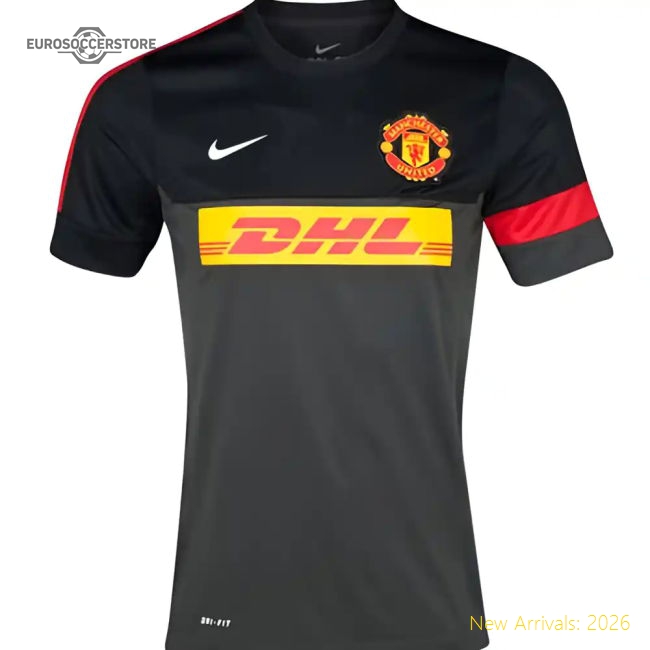 2012-13 Man Utd Training Shirt (Black) - Kids
−9%
$32.80
$36.06
View shirt →
 Dries Mertens Napoli Player T-Shirt (Sky Blue)
−8%
$32.99
$35.80
View shirt →
Dries Mertens Napoli Player T-Shirt (Sky Blue) - Kids
−28%
$25.90
$35.80
View shirt →
 1998-2000 Manchester United Home Shirt (Kids)
−51%
$32.99
$67.99
View shirt →
 1998-2000 Man Utd Retro Home Shirt
−65%
$30.60
$87.99
View shirt →
 2023-2024 Man Utd Home Shirt
−76%
$29.99
$122.99
View shirt →
 2022-2023 Man Utd Home Shirt (Kids)
−51%
$30.60
$62.95
View shirt →
 2022-2023 Man Utd Home Shirt
−62%
$29.99
$77.95
View shirt →
Three kinds of retro worth owning
Not every old shirt is worth the shelf space. These three are the ones people come back for.
The first is the retired season: a specific year's home shirt, the one that gets named first when someone says 'remember the…'. It is the safest of the three because the design is already famous — you are not explaining anything to anyone who sees it.
The second is the away oddity: the change strip in a colour the club has never repeated, usually made once and quietly dropped. It is the most interesting thing on most rails and the one people regret not buying. The third is the deliberate look-back — an anniversary design with an older collar or crest placement on modern fabric, which is the comfortable option if you want the retro look without hunting through old stock.
Retired season
One specific year, already famous — nobody needs it explained.
Away oddity
The colour the club never repeated, and the one people notice.
Anniversary
Older collar and crest placement, cut from modern fabric.
On the rail right now
Barcelona designs on the rail
Stripes that have been rewoven more times than most clubs change managers — open one and compare.
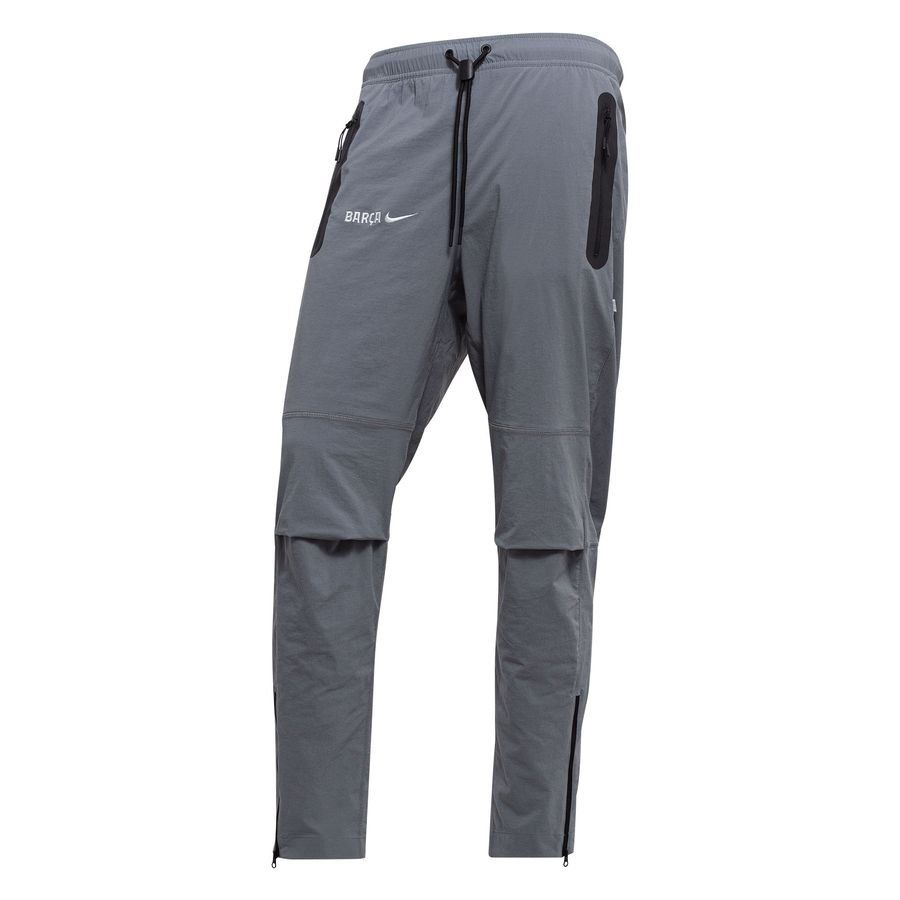 Barcelona Training Trousers Tech Woven - Smoke Grey
−43%
$35.99
$62.99
View shirt →
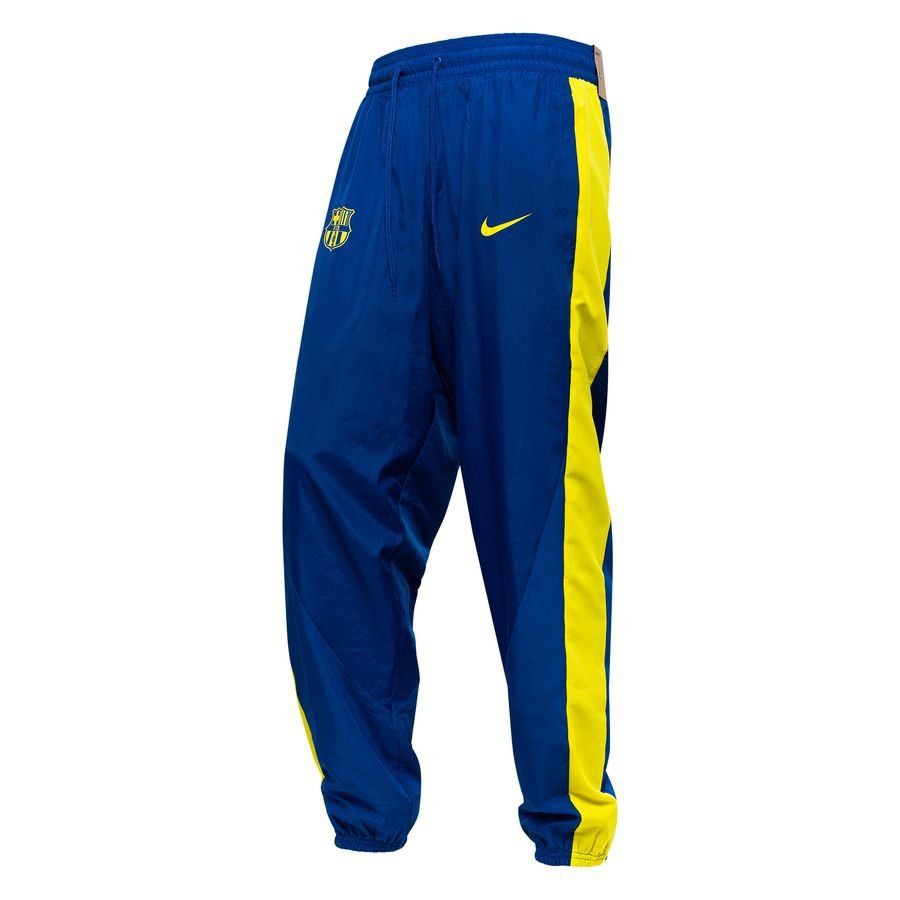 Barcelona Training Trousers Starting 5 Woven GX 4th - Gym Blue/Opti Yellow
−43%
$35.99
$62.99
View shirt →
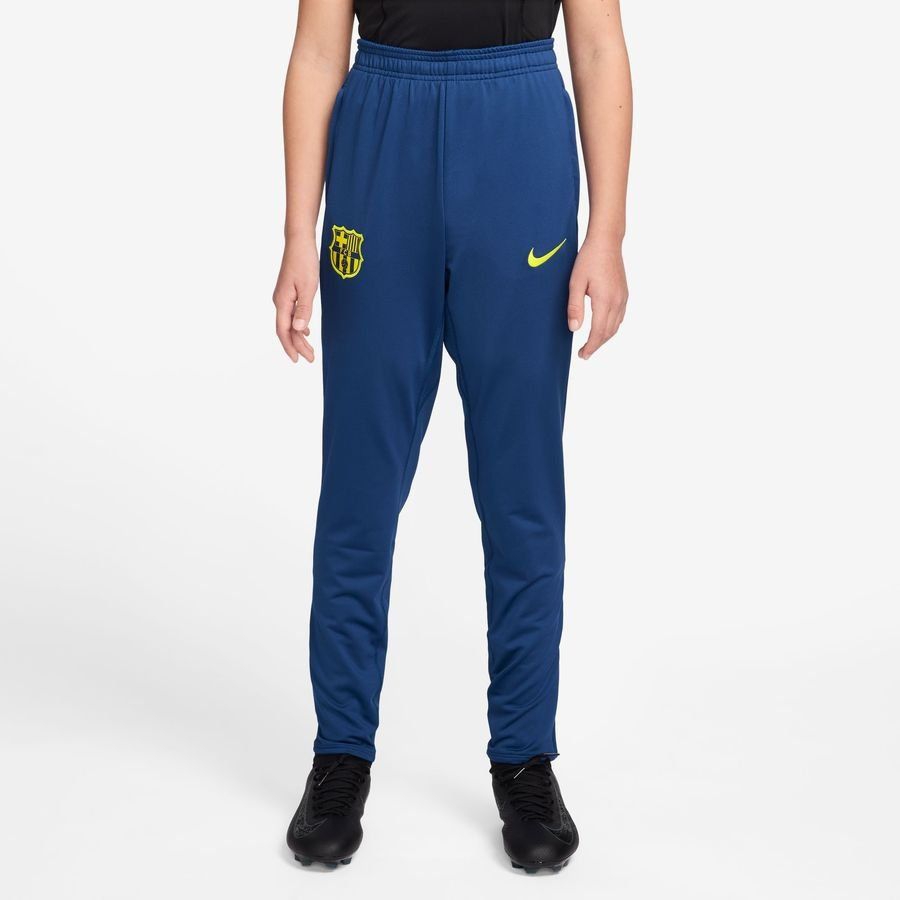 Barcelona Training Trousers Dri-FIT Strike KPZ - Gym Blue/Opti Yellow Kids
−43%
$35.99
$62.99
View shirt →
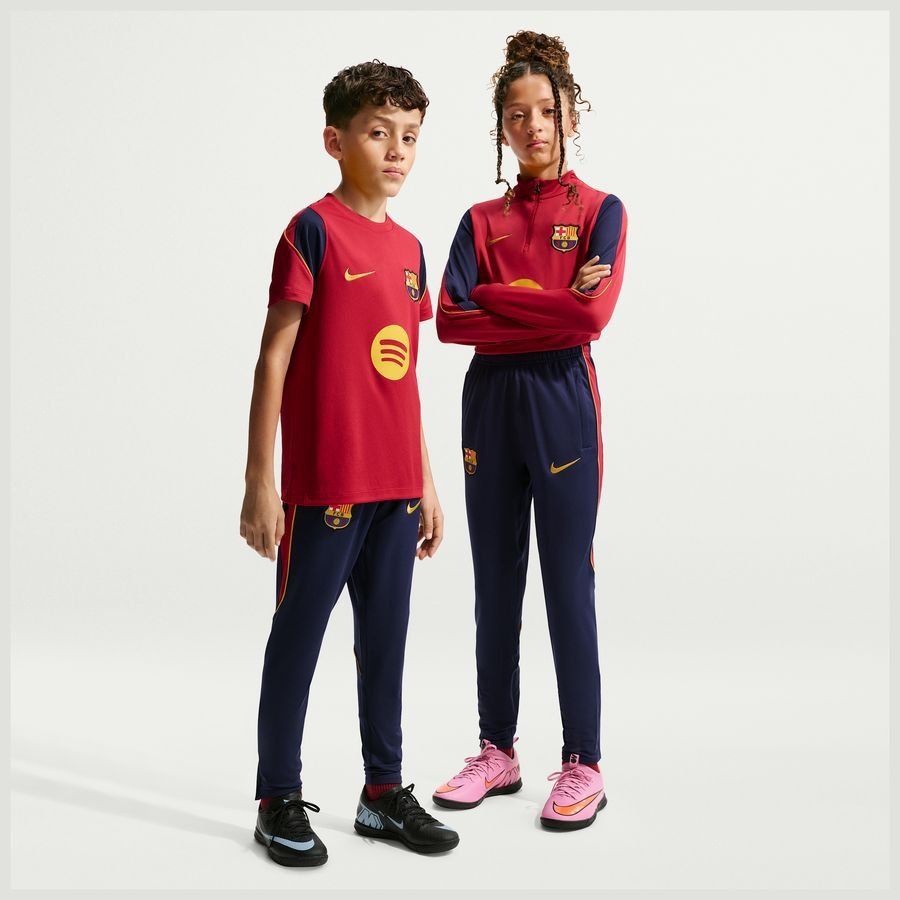 Barcelona Training Trousers Dri-FIT Strike - Blackened Blue/Noble Red/Mineral Yellow Kids
−43%
$35.99
$62.99
View shirt →
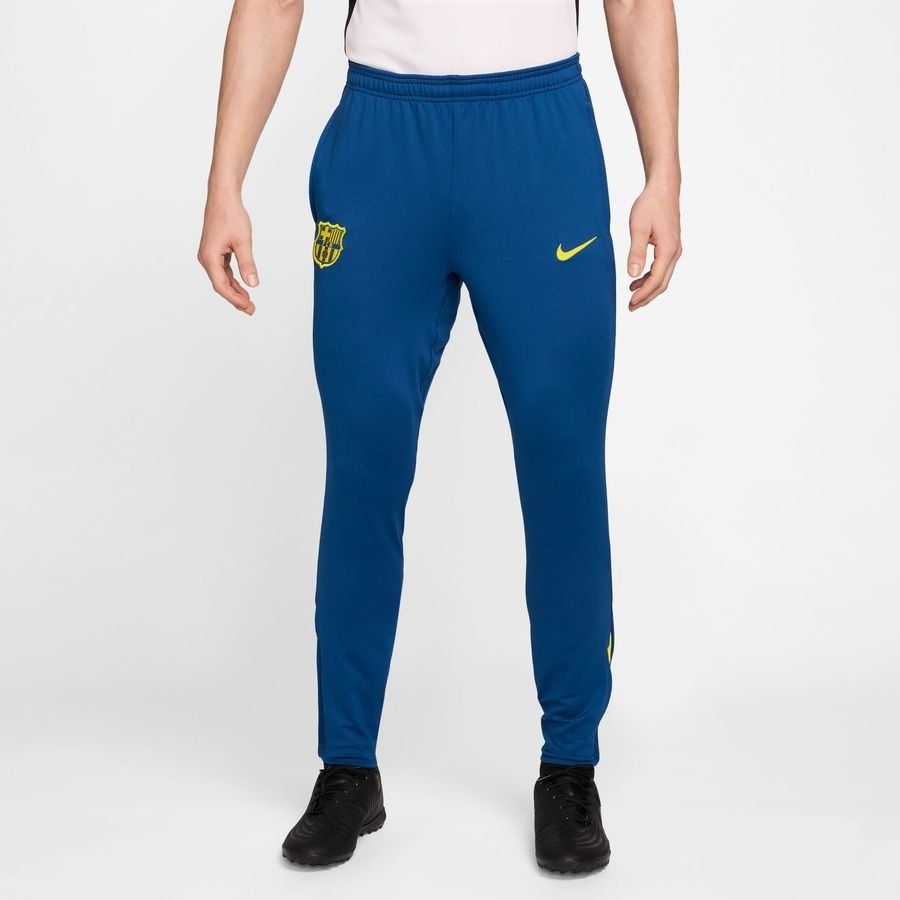 Barcelona Training Trousers Dri-FIT Strike KPZ - Gym Blue/Opti Yellow
−43%
$35.99
$62.99
View shirt →
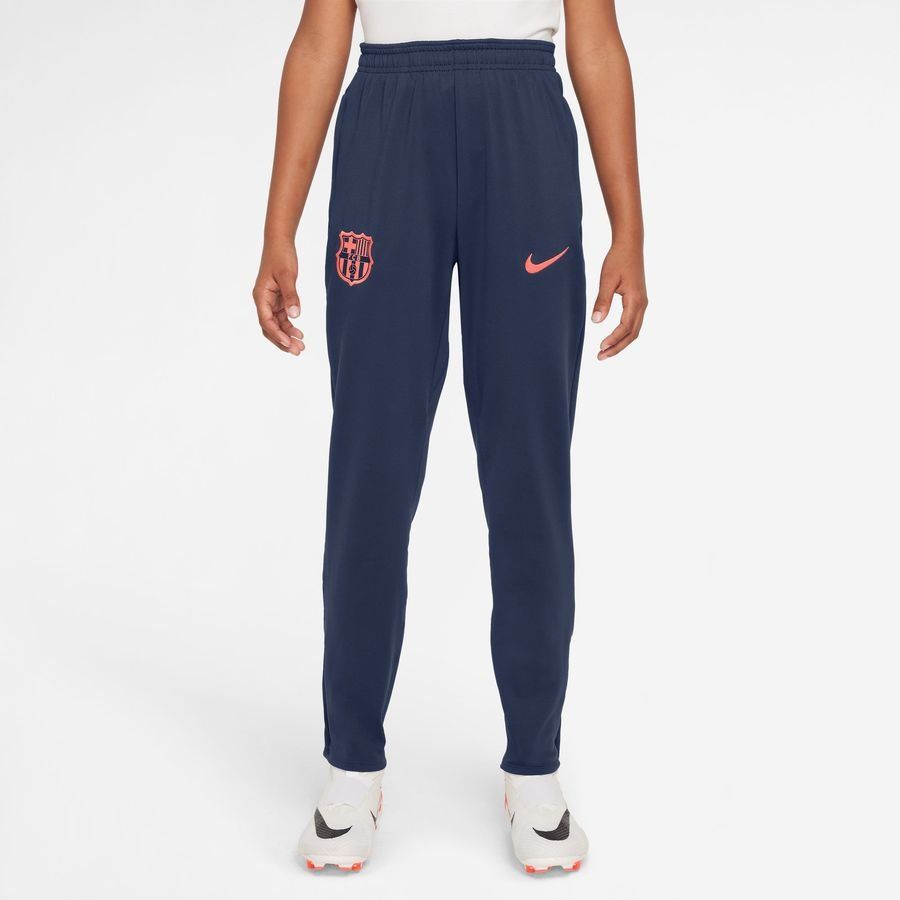 Barcelona Training Trousers Dri-FIT Strike 3rd - Midnight Navy/Bright Mango Kids
−43%
$35.99
$62.99
View shirt →
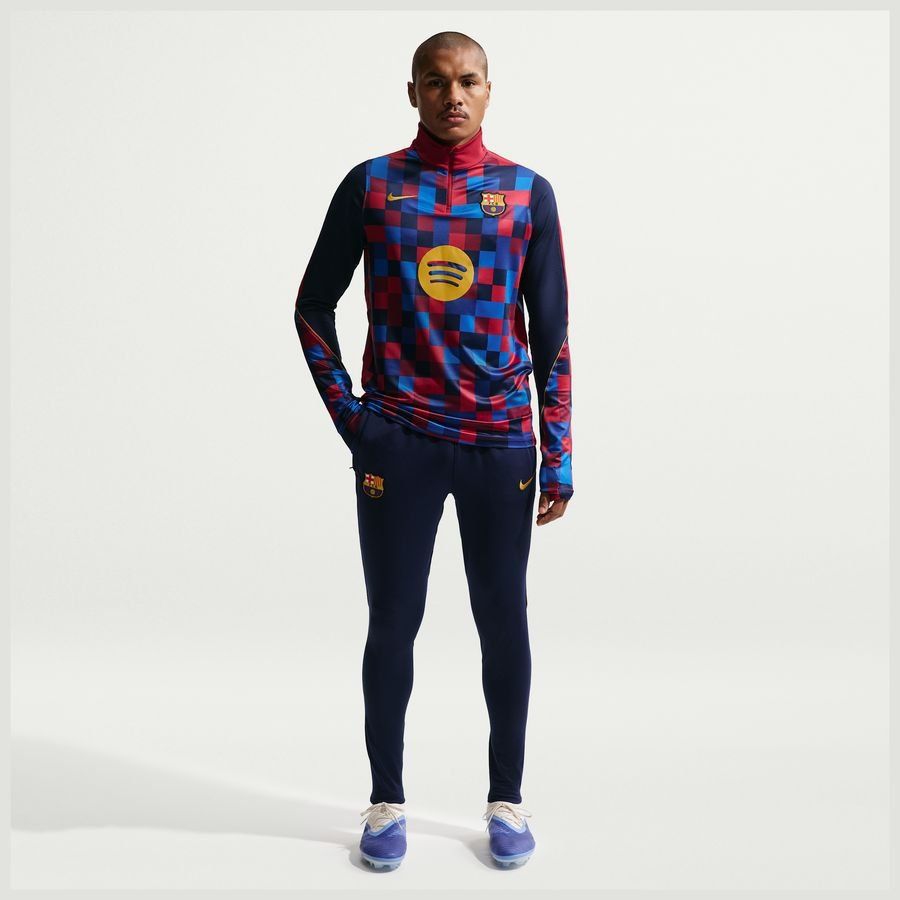 Barcelona Training Trousers Dri-FIT Strike - Blackened Blue/Noble Red/Mineral Yellow
−43%
$35.99
$62.99
View shirt →
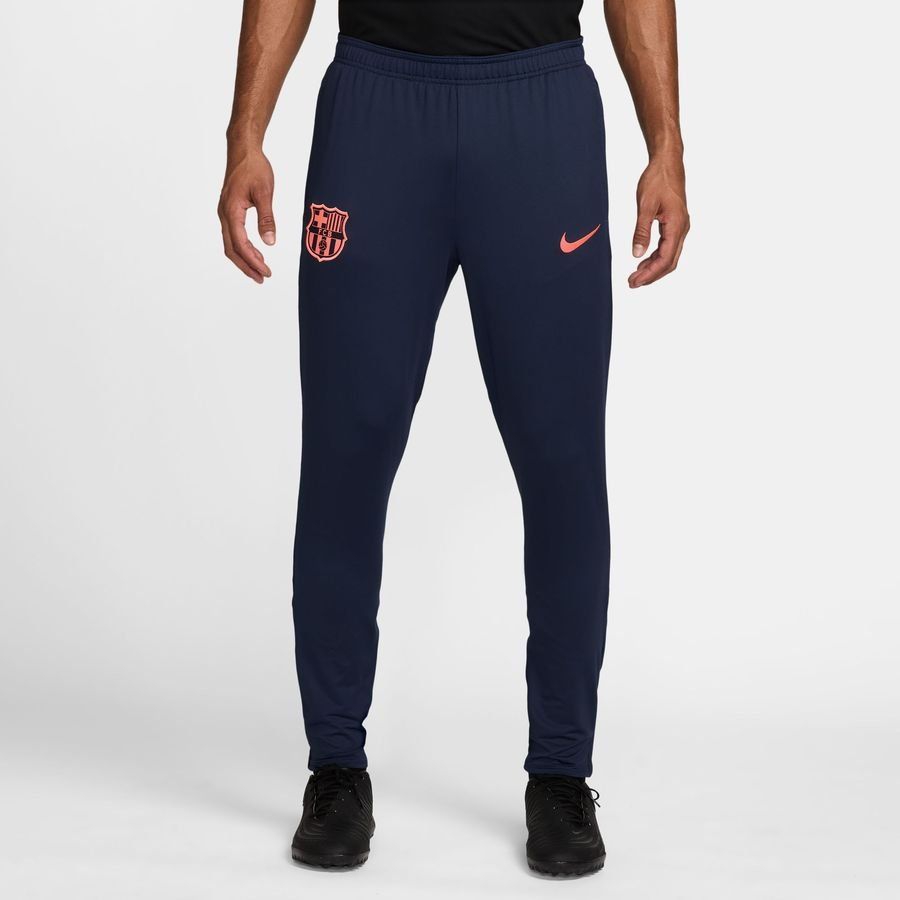 Barcelona Training Trousers Dri-FIT Strike 3rd - Midnight Navy/Bright Mango
−43%
$35.99
$62.99
View shirt →
How to tell if one is worth the money
Four things you can judge from the listing photos alone, before you get anywhere near the size chart.
Retro designs are not reissued in the same cut as the modern shirt. Most of them sit closer to the body, with a narrower shoulder and less room through the chest, because that is how they were made. If you are between sizes, the larger one is almost always the right call — and if the shirt is going over anything at all, go up once more.
The second thing worth checking is the print. In the product photos a good name set sits flat and square against the fabric; one that lifts at the corners in a photo will lift worse after a wash. Then look at the colourway itself: white and other light colourways show every mark from a season of wearing, while dark and striped ones hide it. And finally ask what the shirt is actually for — a retro reads as ordinary clothing far more easily than a current-season shirt with a sponsor across the chest.
The cut
Older designs sit closer to the body — between sizes, go up.
The print
Flat and square in the photo means it survives the wash.
The colour
Light colourways show every mark; dark and striped hide a season.
The use
Retro reads as casual wear; current season reads as matchday.
On the rail right now
Juventus shirts in stock
Black-and-white stripes are the clearest test of how a pattern behaves on a body rather than a hanger.
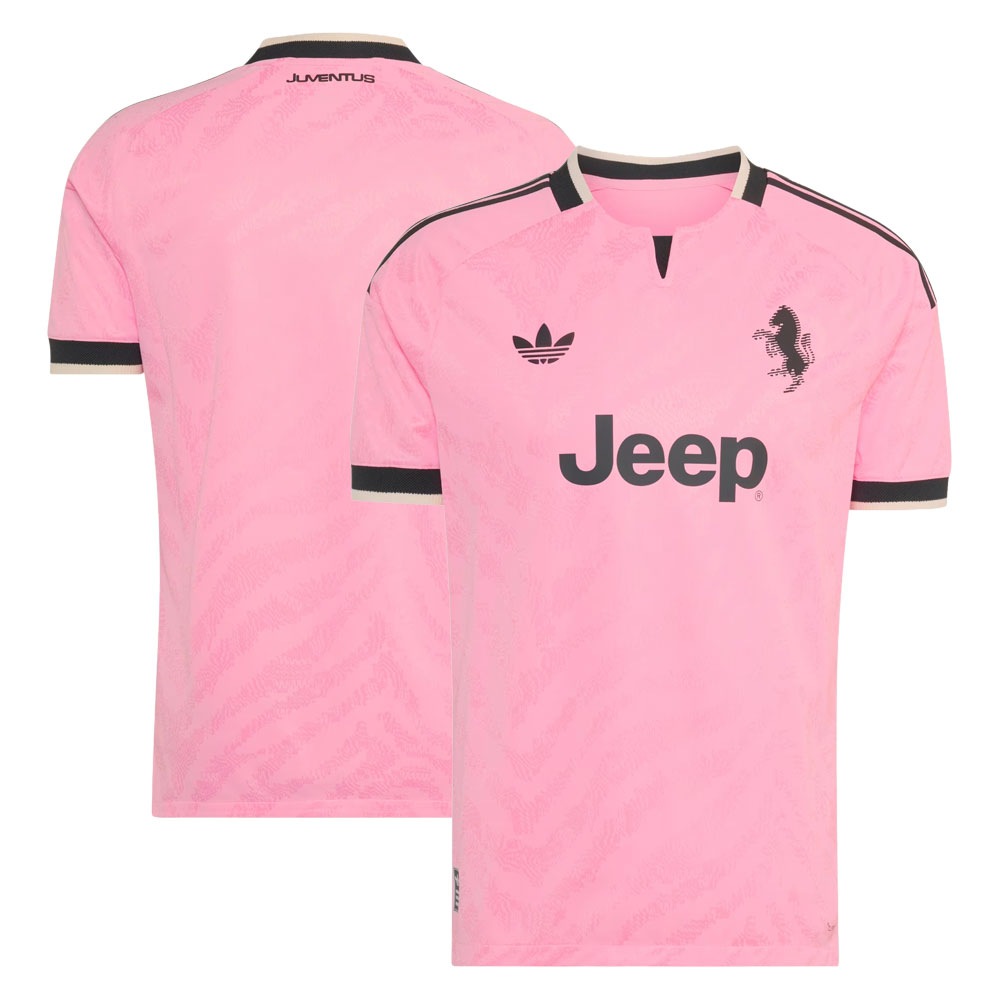 Player Edition Juventus 26/27 Away Shirt
−38%
$38.90
$62.90
View shirt →
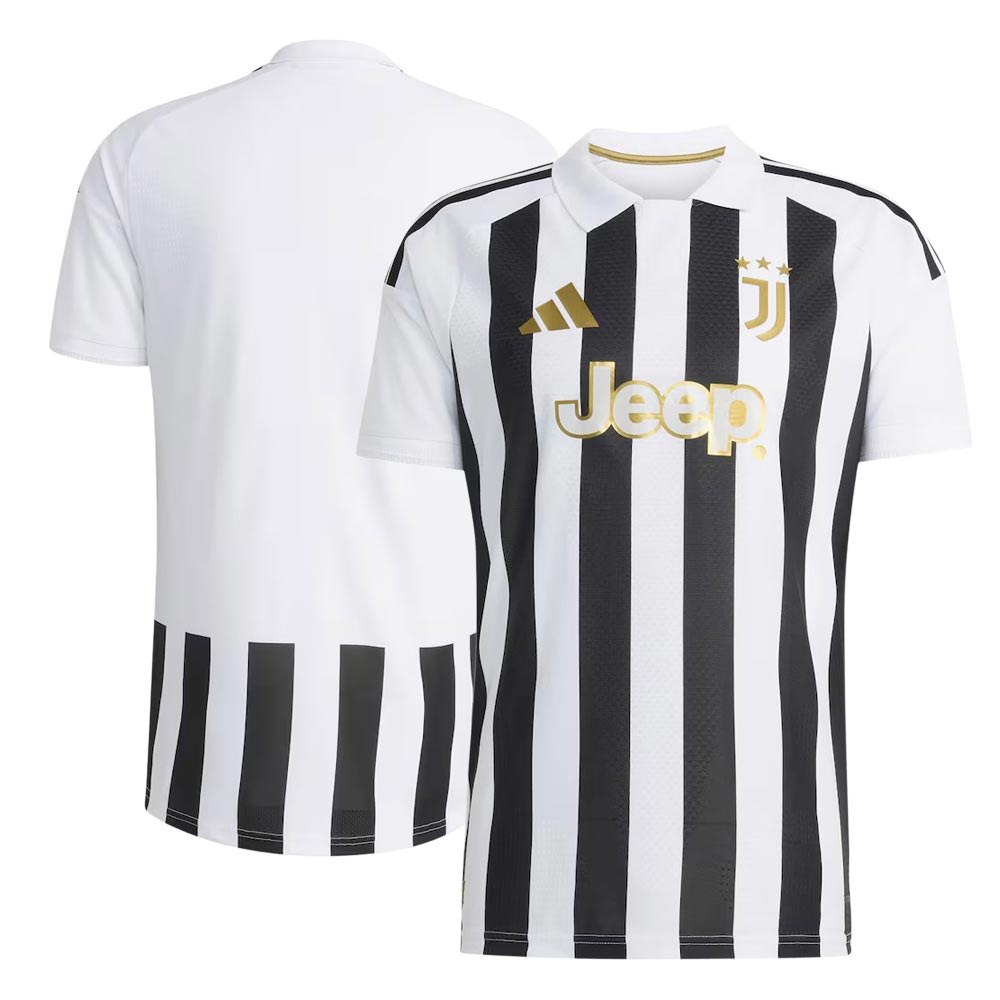 Player Edition Juventus 26/27 Home Shirt
−38%
$38.90
$62.90
View shirt →
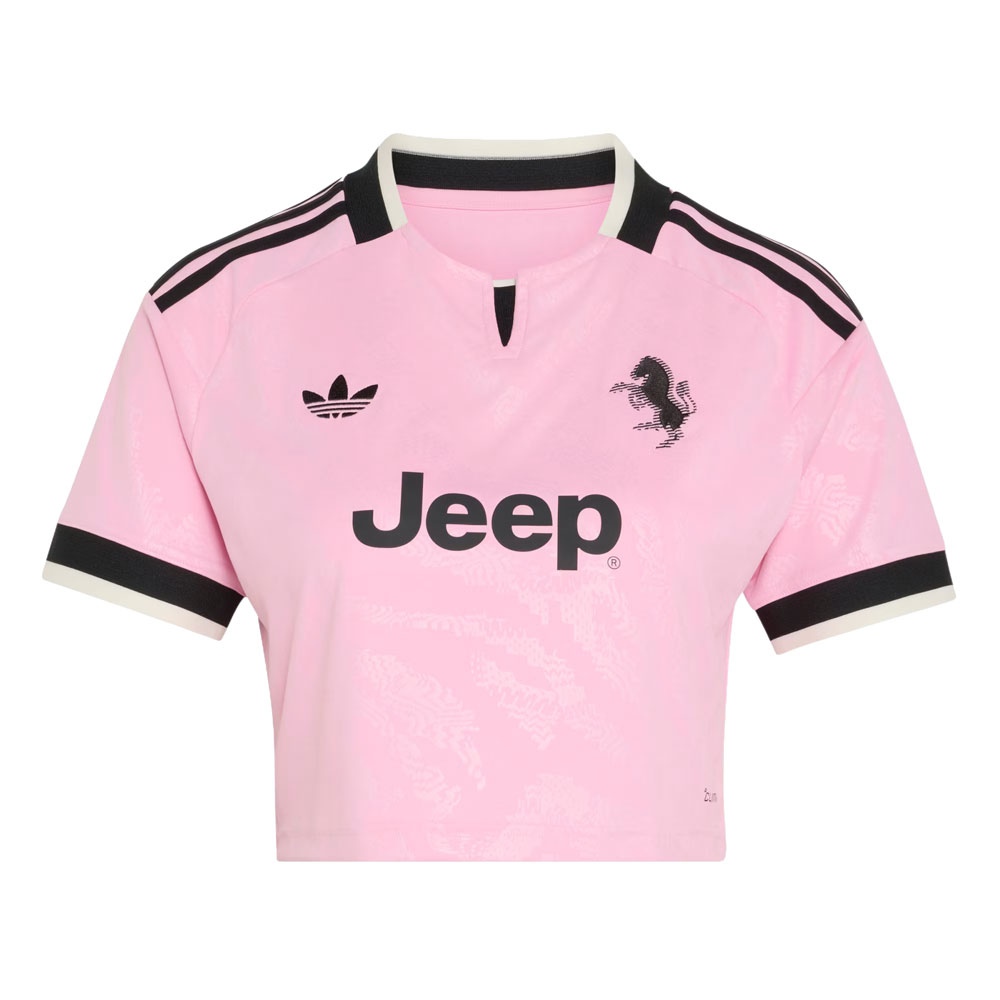 Women Cropped Juventus 26/27 Away Shirt
−38%
$38.90
$62.90
View shirt →
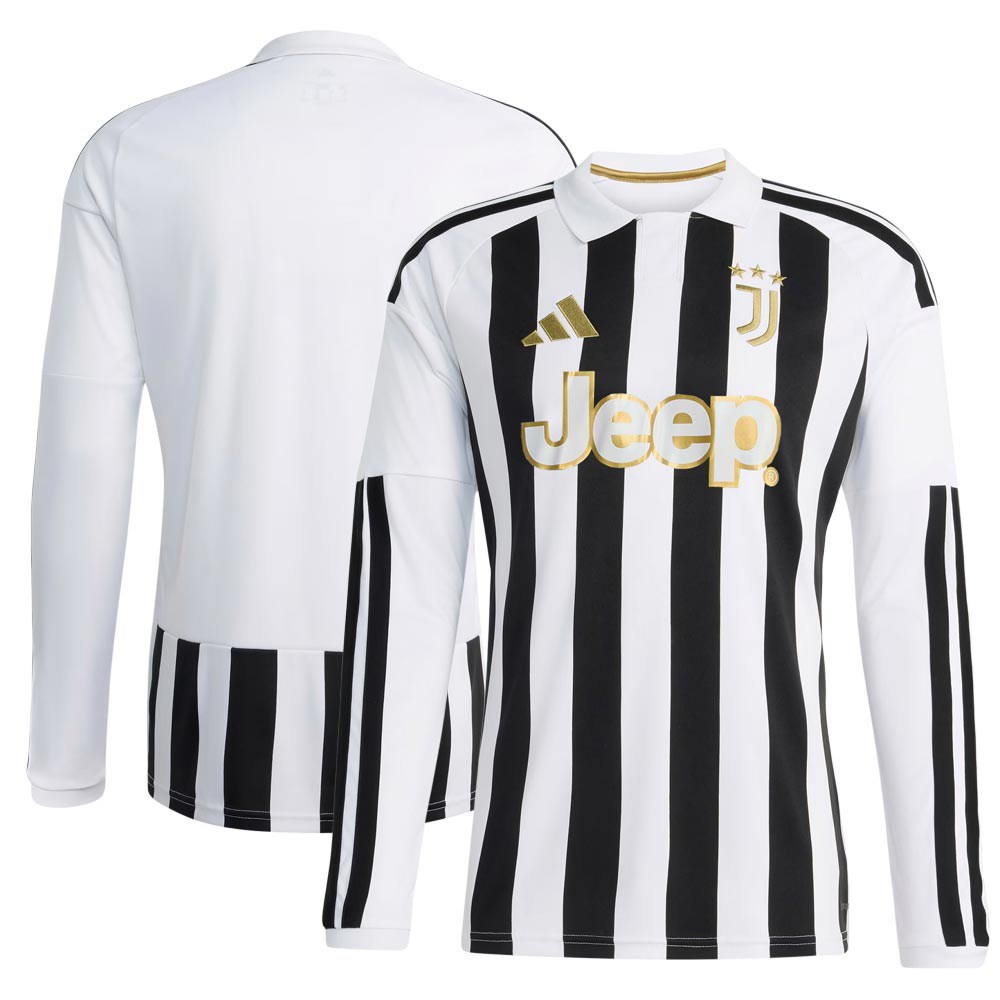 Long Sleeve Juventus 26/27 Home Shirt
−33%
$48.90
$72.90
View shirt →
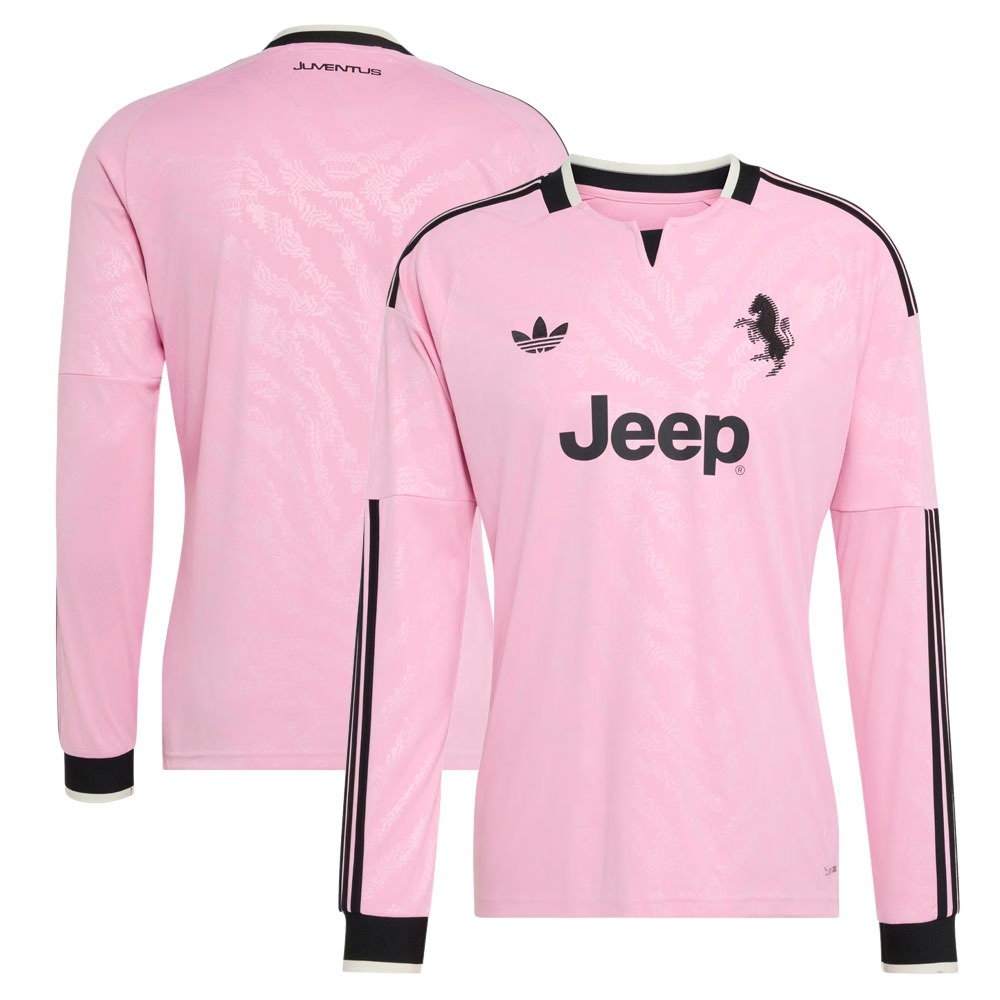 Long Sleeve Juventus 26/27 Away Shirt
−33%
$48.90
$72.90
View shirt →
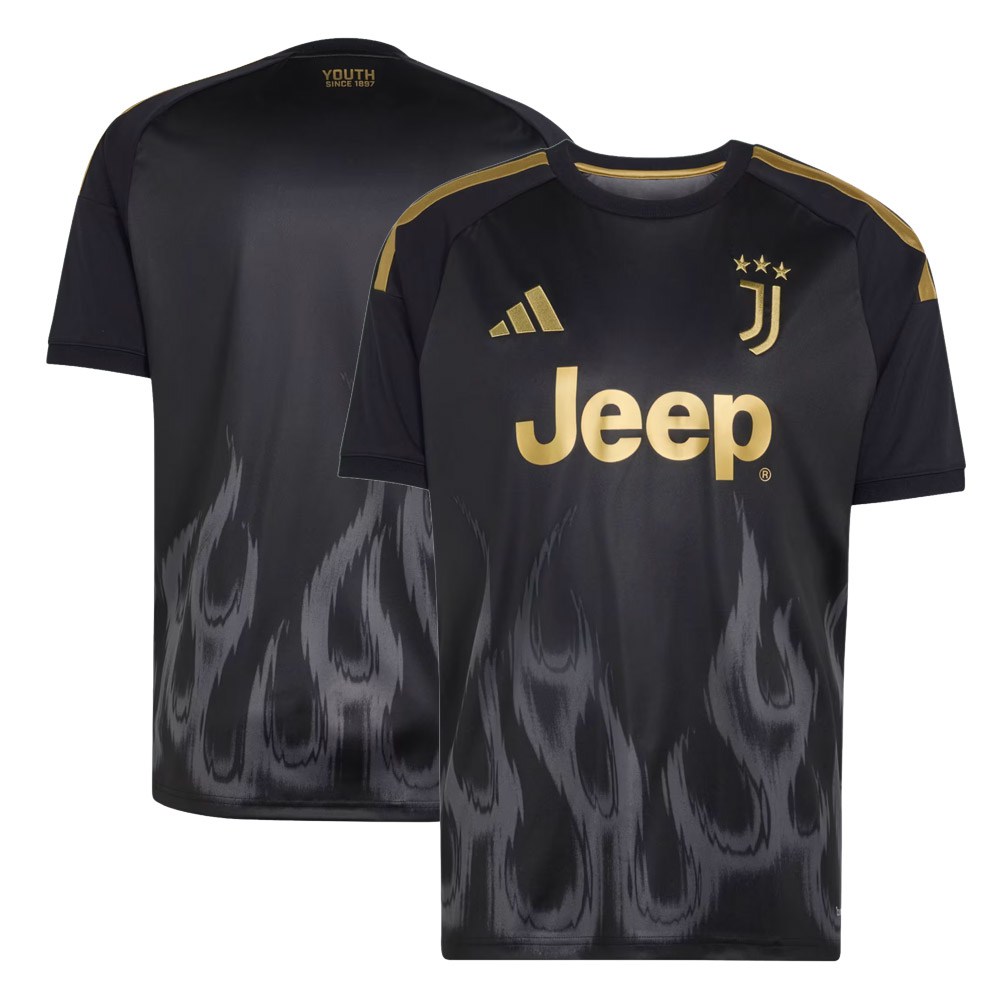 Juventus 26/27 Third Shirt
−38%
$38.90
$62.90
View shirt →
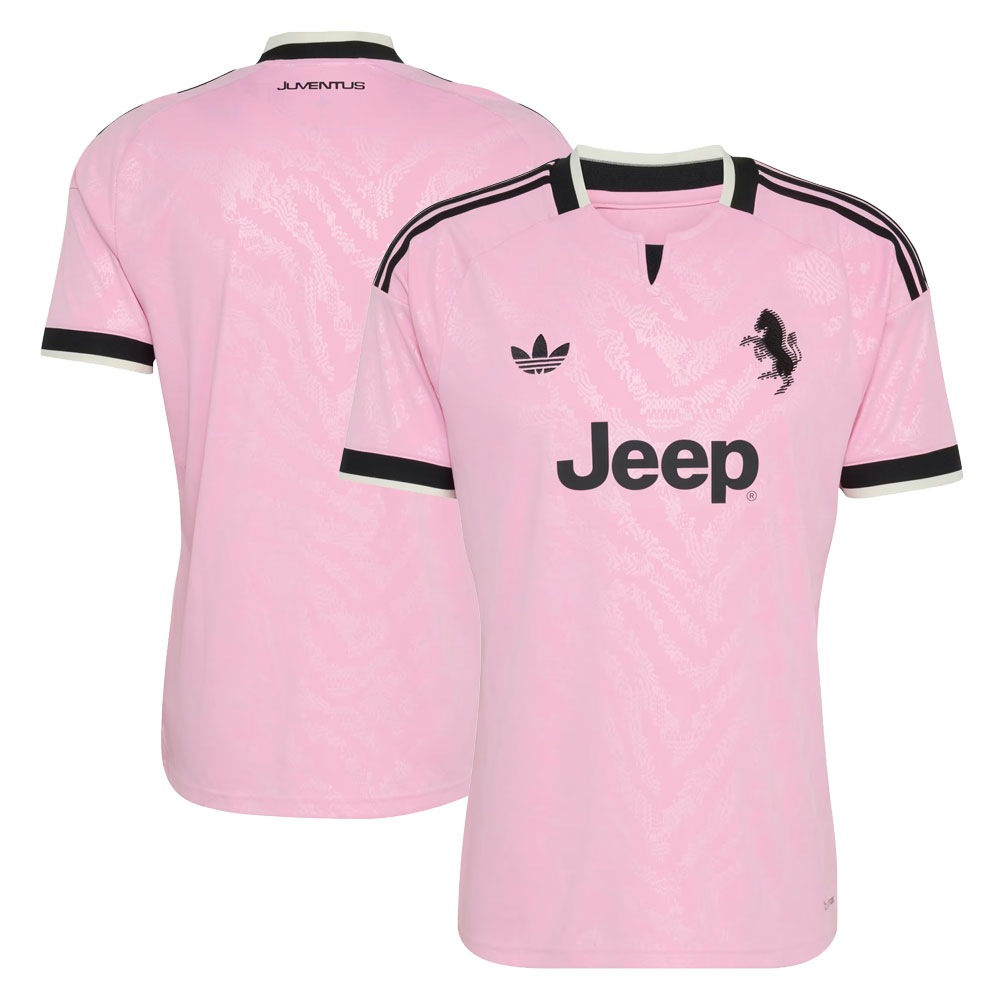 Juventus 26/27 Away Shirt
−38%
$38.90
$62.90
View shirt →
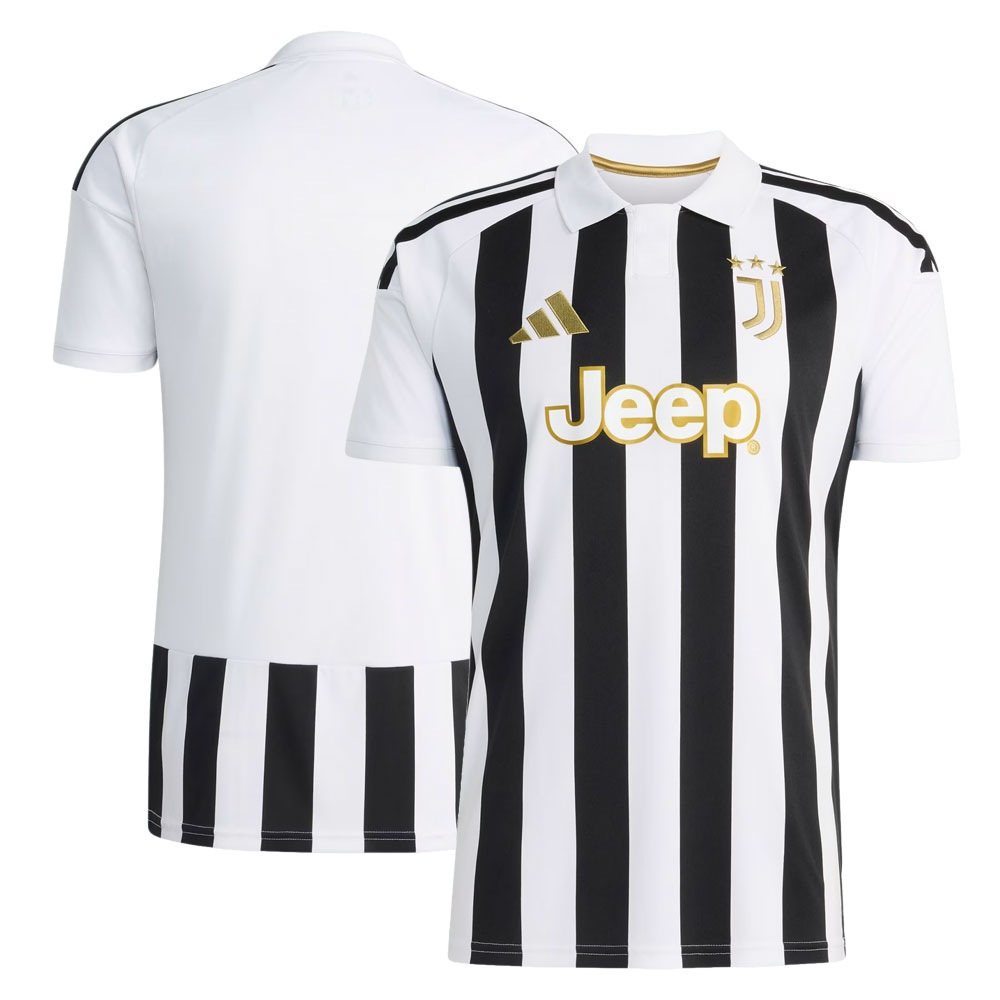 Juventus 26/27 Home Shirt
−38%
$38.90
$62.90
View shirt →
Who a retro shirt actually suits
The short answer: anyone you cannot ask about sizing without spoiling it.
A retro is the safest gift in this catalogue, and the reason is unglamorous — nobody can be wrong about it. A current-season shirt tells the recipient you know exactly which club and which year they follow. An older one just tells them you know what football looks like, which is a much lower bar and a much warmer thing to receive.
It also solves the sizing problem in a way people do not expect. Because it is going to be worn as clothing rather than on a matchday, one size up is not a mistake, it is the intended fit. If you are buying for someone whose size you would have to guess at, this is the shelf to guess on.
Half the retro orders on this site are gifts, and almost all of them are one size up. That is not a mistake — it is how these shirts are meant to sit.
From the shop floor
On the rail right now
Argentina national shirts on the shelf
National shirts are the gift people keep longest — they are not tied to a club they might drift from.
 Argentina 2026 Messi 10 Home Women's Jersey - 3-Star World Champions Edition
−48%
$37.99
$72.90
View shirt →
 Argentina 2026 Home Women's Jersey - 3-Star Gradient Edition
$33.90
View shirt →
 Argentina 2026 Home Men's Jersey - 3-Star Legacy Edition
$35.99
View shirt →
 Samba Argentina 50 Years Anniversary - Shadow Navy/Ambient Sky/Gold Metallic LIMITED EDITION
−43%
$35.99
$62.99
View shirt →
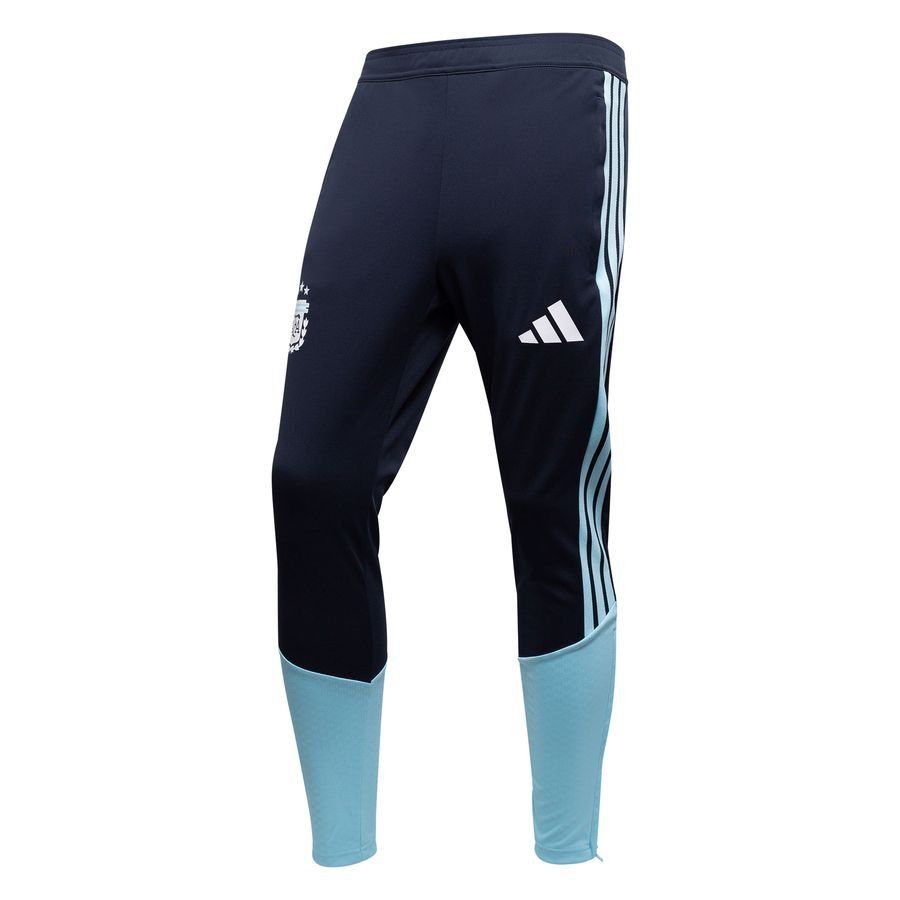 Argentina Training Trousers Tiro 26 World Cup 2026 - Night Navy
−43%
$35.99
$62.99
View shirt →
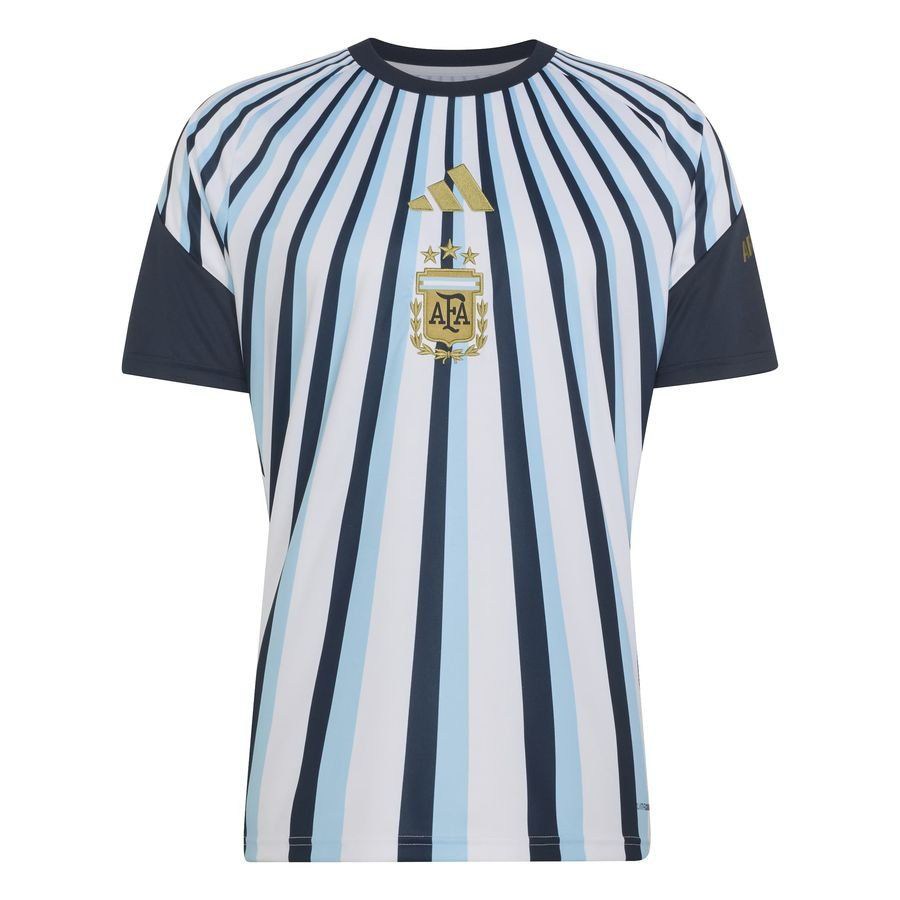 Argentina Training T-Shirt Pre Match
−43%
$35.99
$62.99
View shirt →
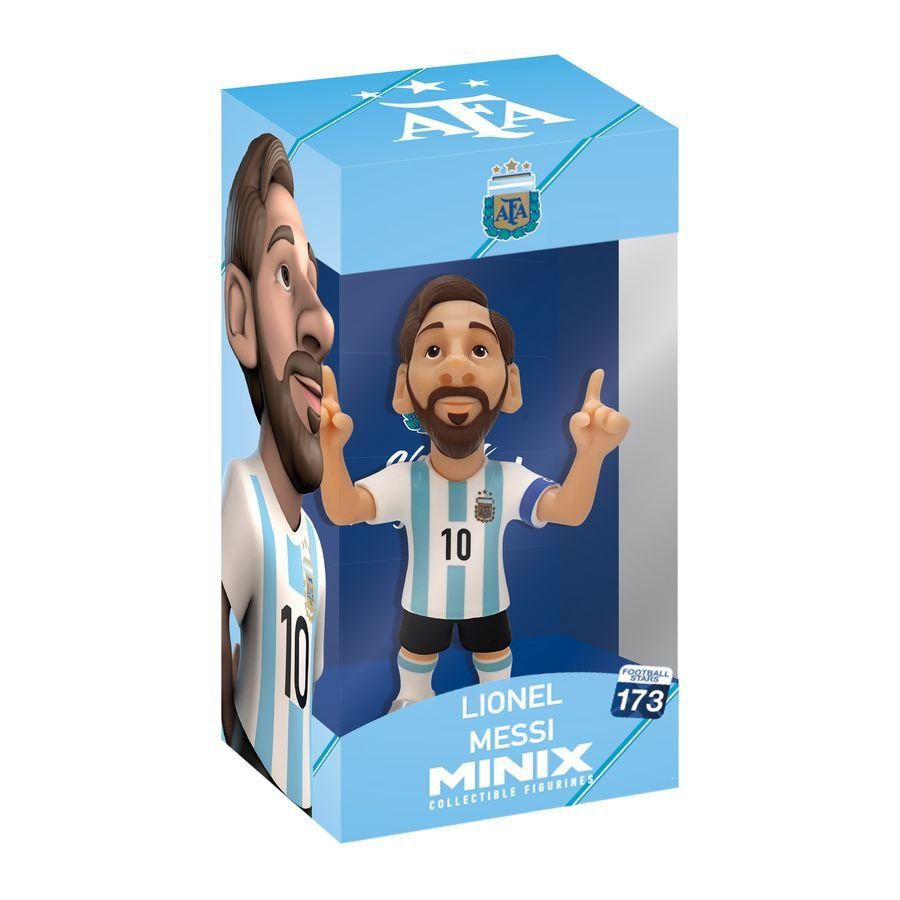 MINIX Figure Argentina Messi 10
−43%
$35.99
$62.99
View shirt →
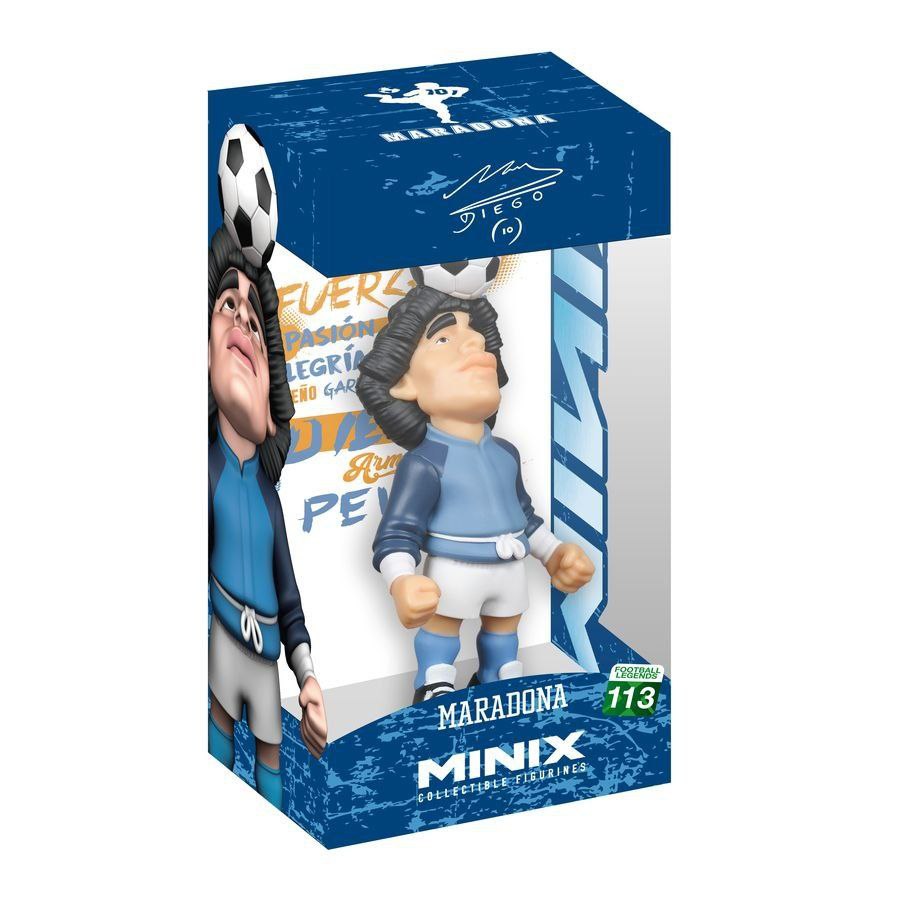 MINIX Figure Argentina MARADONA 10
−43%
$35.99
$62.99
View shirt →
Questions people ask before buying a retro
Short answers, no fluff
Sizing, printing, washing and which one to pick — the six that come up most at this rack.
Is a retro shirt cut the same as the current season's?
Usually not. Older designs sit closer to the body with a narrower shoulder, so if you are between sizes take the larger one. The size guide on the product page is the one to trust for that specific cut.
Can I get a name and number printed on an older design?
Where printing is offered it is marked on the product's own page — check the listing before you order. A name set on a retro is a deliberate choice rather than a default, which is why people like it.
Which retro should I start with if I only buy one?
The retired season of the club you actually watch. It is the one you can explain in a sentence, and it is the one that gets worn rather than kept in a drawer.
Do retro shirts run small?
They run closer to the body than modern cuts, which feels small if you are used to a current-season shirt. Measure the chest rather than ordering by your usual letter — the two disagree more often than people expect.
How should I wash a printed retro?
Inside out, cold, no tumble dryer, and never iron directly on the print. That is what keeps a name set intact — not the washing itself.
Is a retro a safe gift if I don't know their club?
Safer than a current-season shirt. Pick a national shirt or a famous older club design, go one size up, and it reads as a considered present rather than a guess.
Where to go next
The shelves behind this topic
Every competition page, plus the full A–Z of player racks.