

9 Goals, Total Chaos, and a Near Shock: World Cup Favorites Shine While Germany Survive a Scare
Netherlands and Japan dazzled with attacking brilliance, while Germany discovered just how dangerous underdogs can be.
Why Did the Netherlands and Japan Look Unstoppable?
The latest round of World Cup action delivered one of the most entertaining attacking showcases of the tournament. Between them, the Netherlands and Japan scored nine goals, demonstrating why both nations are increasingly viewed as dangerous contenders capable of challenging football's traditional powers.
The Dutch dismantled Sweden 5-1 with a masterclass in positional play, quick combinations, and ruthless finishing. Every attack carried purpose, while every forward movement seemed capable of creating another opportunity.
Japan followed with an equally impressive 4-0 victory over Tunisia. The Samurai Blue combined tactical discipline with explosive attacking transitions, overwhelming their opponents through intelligent movement and relentless pressure.
For fans searching for Netherlands World Cup tactical analysis, Japan attacking football strategy, World Cup title contenders 2026, and modern international football trends, these two performances provided some of the clearest evidence yet that both teams are genuine threats.
How Did the Netherlands Produce a Five-Goal Masterpiece?
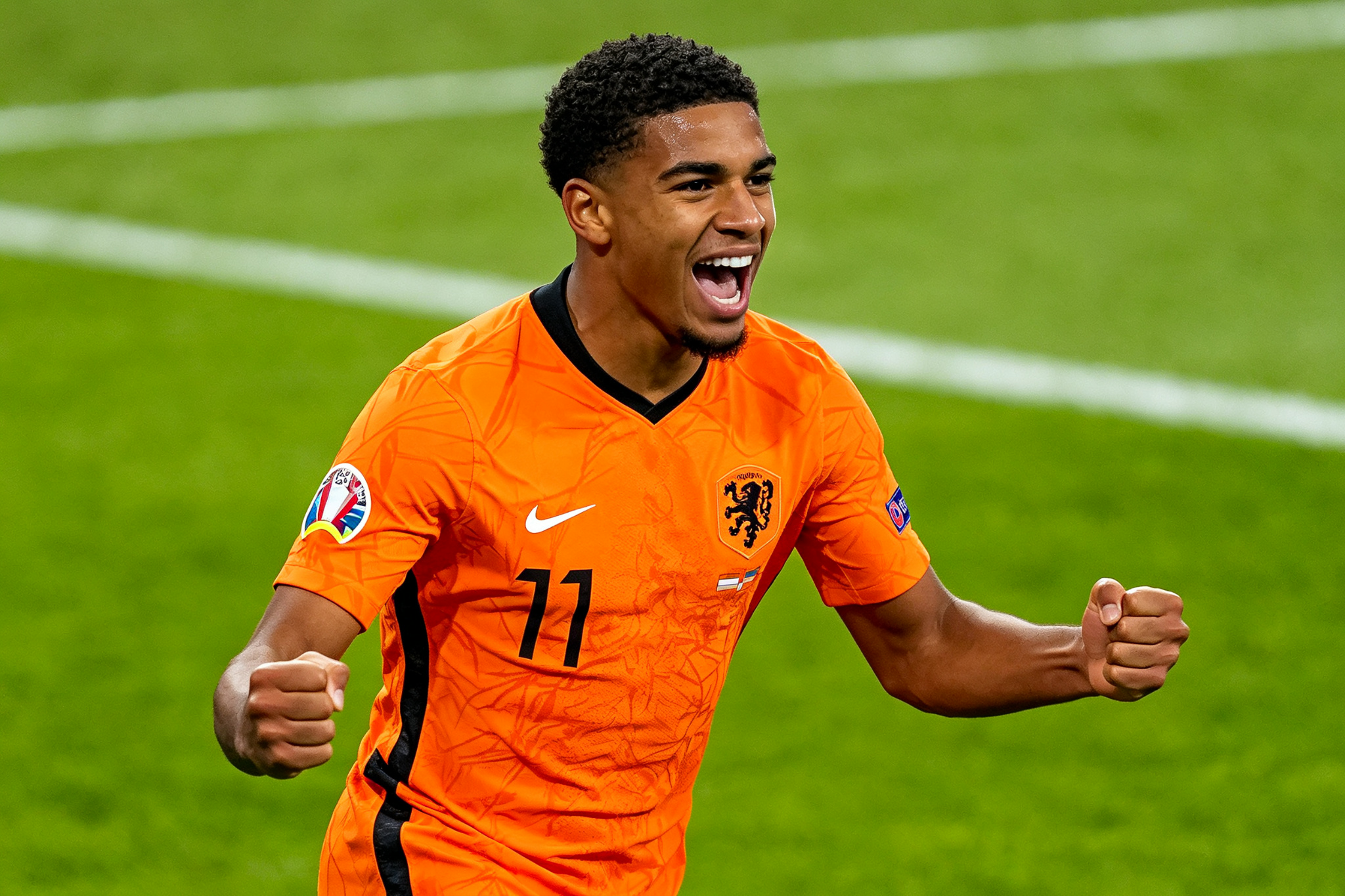
The Netherlands were devastating in every phase of attack. Their midfield consistently found space between the lines, while the front three stretched Sweden's defensive shape beyond repair.
What stood out most was the variety of their attacking patterns. Some chances came from quick transitions, others from patient possession sequences, and several from intelligent overlapping runs down the flanks.
Cody Gakpo, Xavi Simons, and the Dutch attacking unit continuously forced defenders into difficult decisions. Once Sweden began chasing the game, even more space appeared, allowing the Oranje to completely take control.
Japan's 4-0 Victory Was About More Than Goals
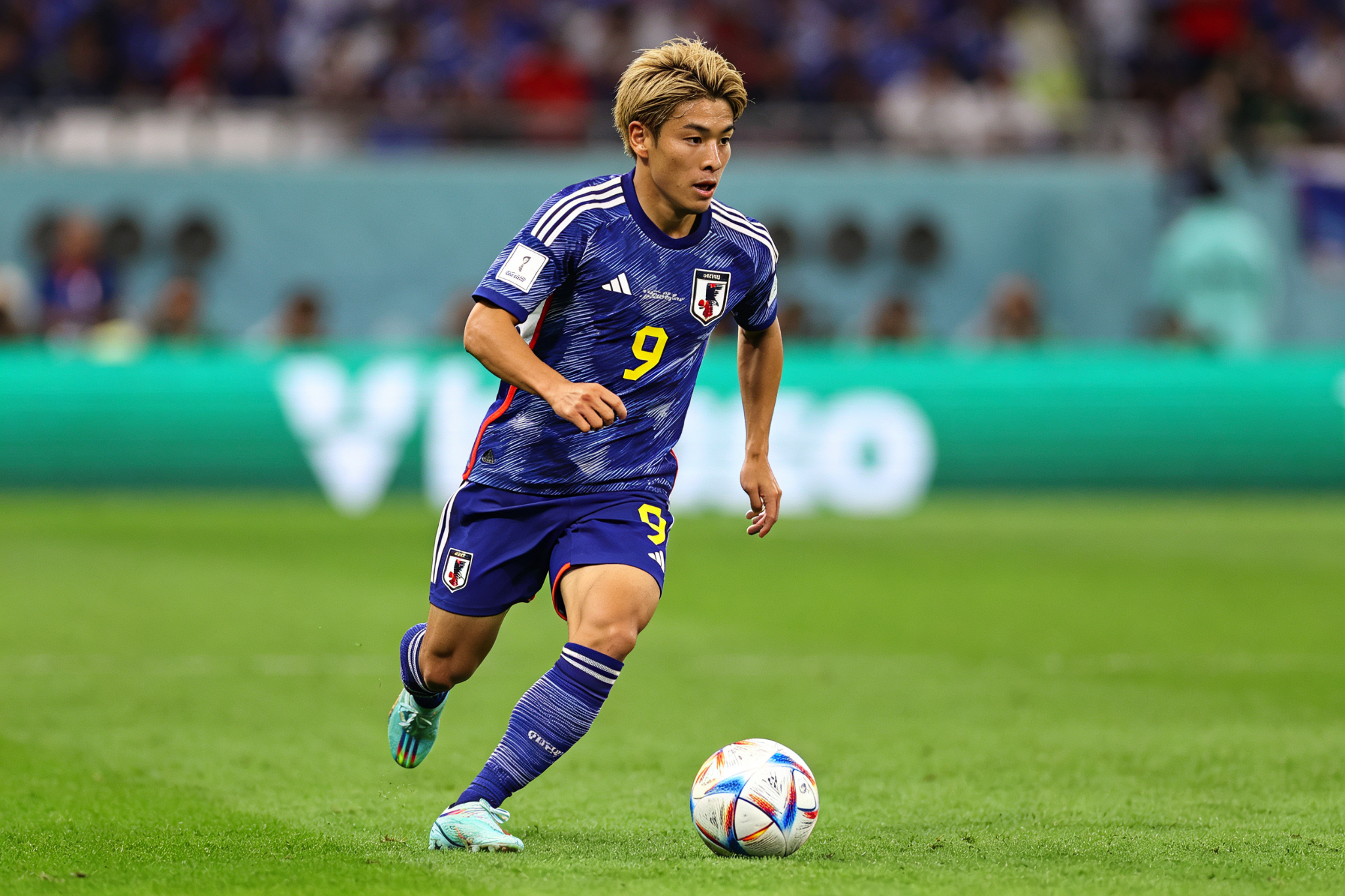
Japan's success was not simply the result of clinical finishing. Their tactical structure remained one of the most impressive aspects of the performance.
Every player understood his role. The midfield rotated intelligently, the defense maintained excellent spacing, and the attack consistently exploited weaknesses in Tunisia's shape.
The result highlighted why Japan continue to earn admiration from analysts around the world. Their ability to blend technical quality with tactical discipline makes them one of the most complete teams in the tournament.
Did Germany Nearly Become the Tournament's Biggest Surprise Victim?
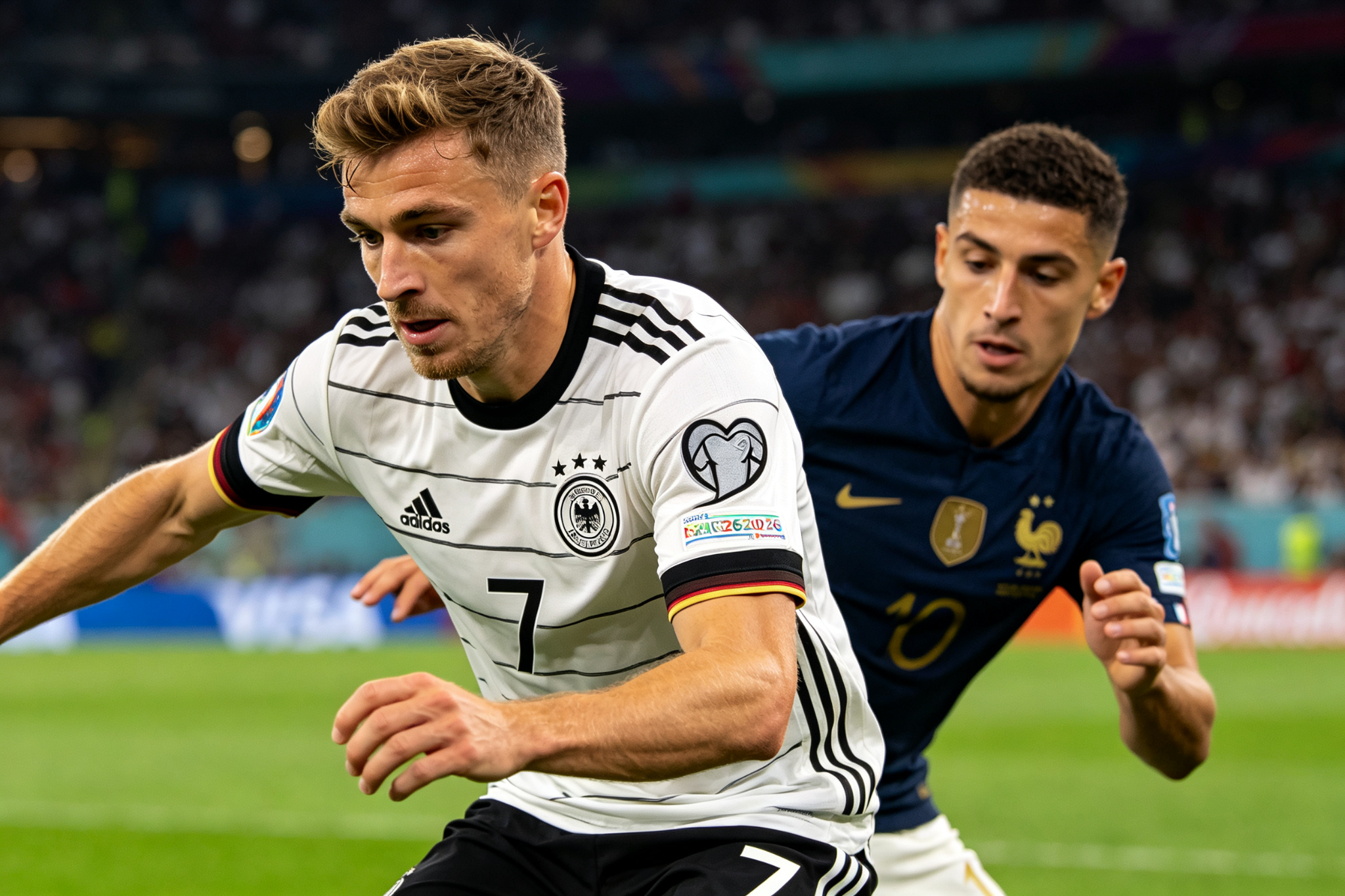
While the Netherlands and Japan cruised to comfortable victories, Germany experienced a very different afternoon.
The 2-1 victory over Ivory Coast may look straightforward on paper, but the match itself told a different story. Germany found themselves under pressure for long stretches and struggled to establish the control normally associated with elite tournament favorites.
Ivory Coast displayed remarkable energy, physicality, and belief. Their aggressive pressing disrupted Germany's rhythm and forced several uncomfortable moments for the European giants.
For large portions of the game, the African side looked capable of producing a memorable upset. Germany ultimately survived thanks to superior experience and a handful of decisive moments, but the warning signs were impossible to ignore.
Why Does Ivory Coast Deserve So Much Credit?
The final score may favor Germany, but Ivory Coast left the pitch with their reputation enhanced.
The Elephants showed courage, tactical discipline, and a willingness to challenge one of football's most respected nations. Rather than defending passively, they attacked with ambition and repeatedly forced Germany into difficult situations.
Matches like this demonstrate why African football continues to grow in strength. The gap between traditional favorites and emerging challengers has never been smaller.
Why Was Ecuador vs Curaçao So Difficult to Watch?
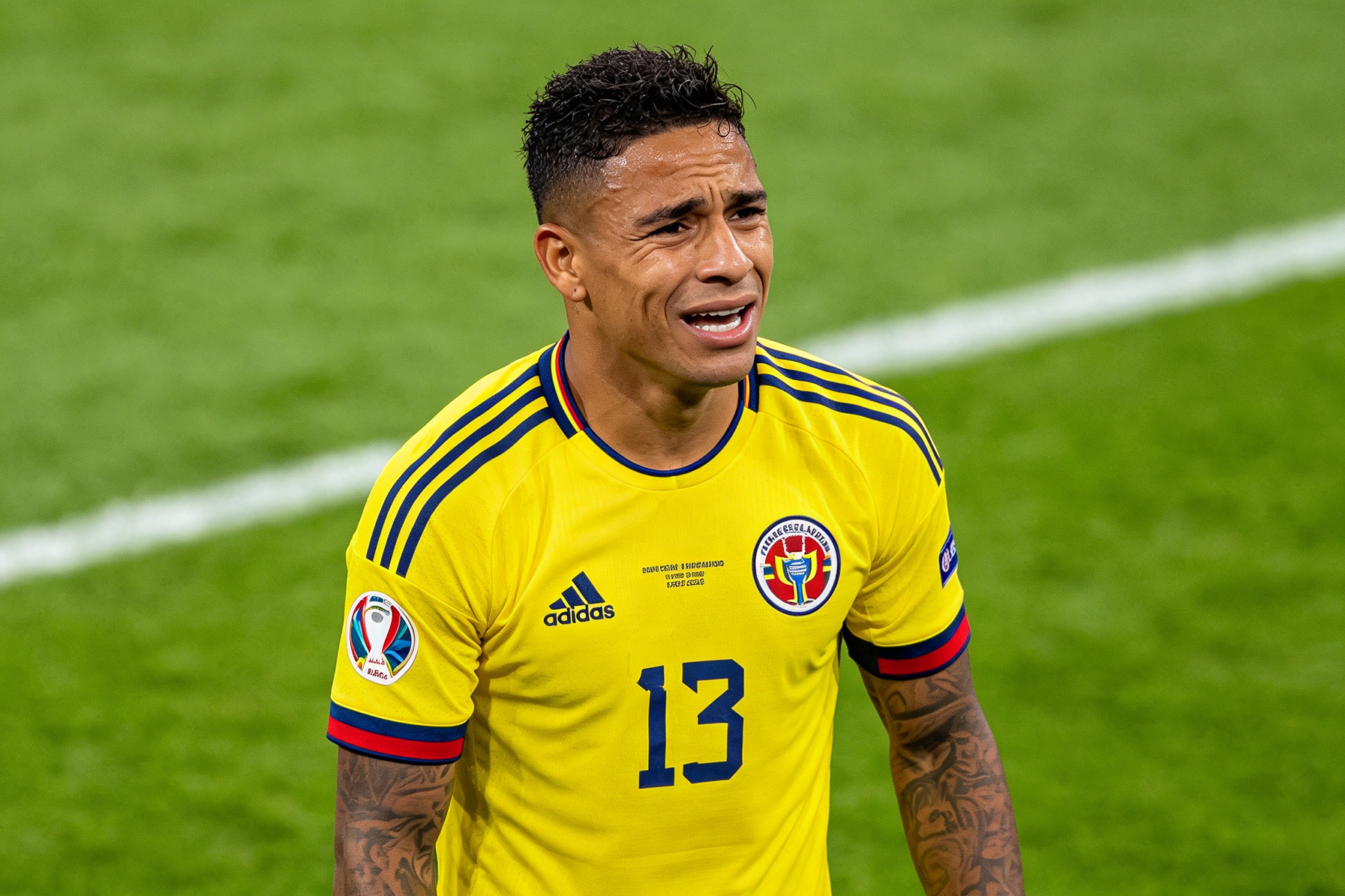
Not every World Cup match becomes an attacking spectacle. Ecuador and Curaçao produced a goalless draw that frustrated supporters from both sides.
Despite enjoying periods of possession and creating several promising situations, neither team managed to convert their opportunities. Final passes lacked precision, movement inside the penalty area was often delayed, and confidence seemed to disappear whenever a clear chance emerged.
Both sides appeared trapped between caution and ambition. Nobody wanted to make a costly mistake, yet neither team fully committed to taking risks.
The result was a match filled with effort but lacking the decisive quality required to separate the teams.
What Have We Learned From These Results?
The World Cup continues to reveal multiple paths to success.
The Netherlands and Japan demonstrated how elite attacking systems can overwhelm opponents. Germany reminded everyone that even favorites can suffer difficult afternoons. Ivory Coast proved underdogs are becoming increasingly dangerous, while Ecuador and Curaçao highlighted the importance of efficiency in front of goal.
As the tournament progresses, these lessons may become increasingly important. The teams capable of adapting to different styles and situations will ultimately have the best chance of lifting football's most prestigious trophy.
Related National Team Jerseys
Final Verdict
Nine goals from the Netherlands and Japan showcased football at its most entertaining. Germany survived a genuine test against a fearless Ivory Coast side, while Ecuador and Curaçao provided a reminder that creating chances is only half the battle.
Some teams left supporters dreaming of a title challenge. Others left with questions still unanswered. That unpredictability is exactly what makes the World Cup such a captivating tournament.