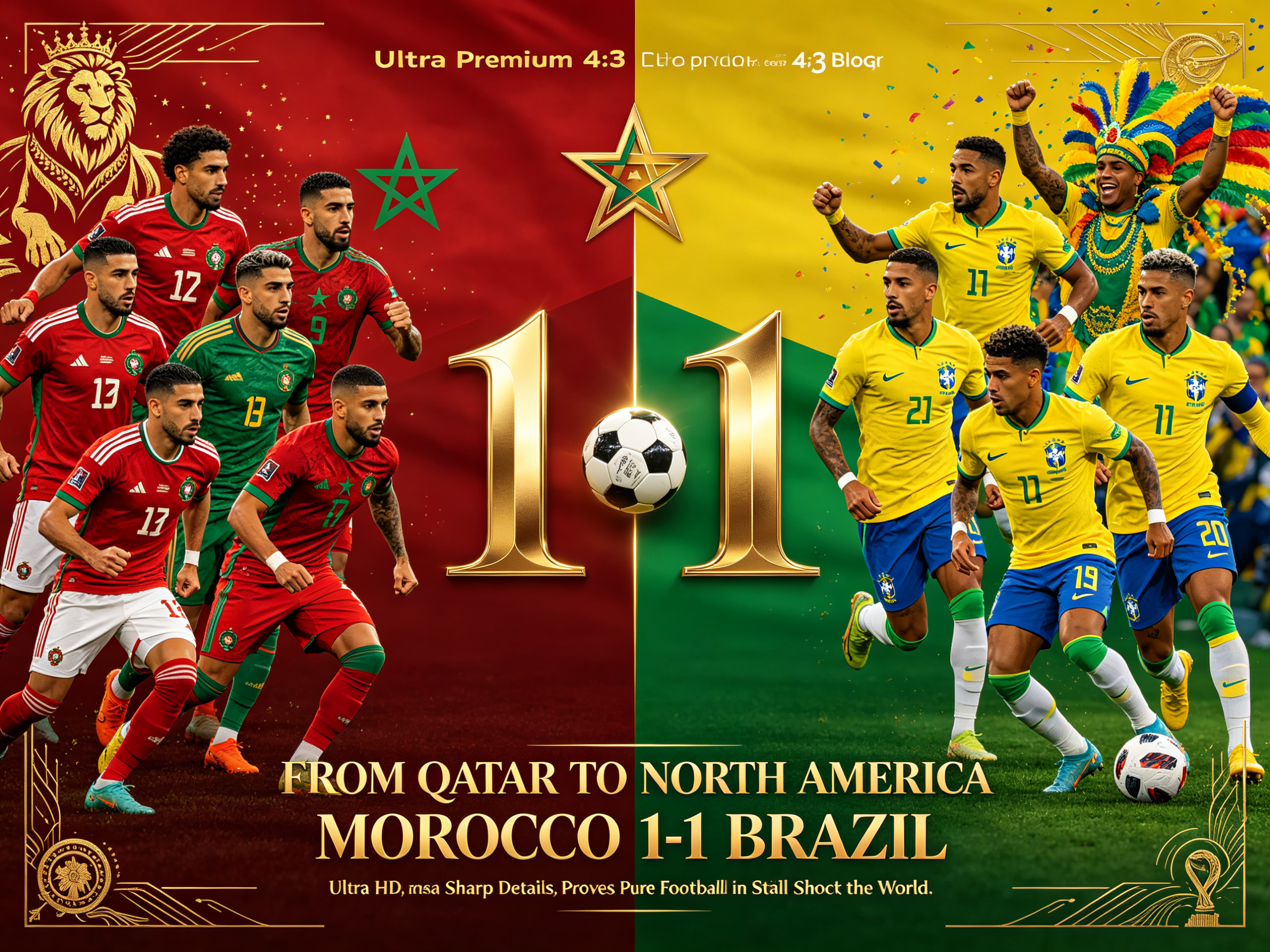
When Morocco stunned the football world during the 2022 FIFA World Cup in Qatar, many observers wondered whether that historic run was a once-in-a-generation achievement or the beginning of something much bigger. Four years later, at the 2026 FIFA World Cup, the Atlas Lions have once again captured global attention. Their hard-fought 1-1 draw against Brazil was not merely a positive result—it was another powerful statement that Morocco belongs among the elite nations of international football.
For supporters proudly wearing Morocco Jerseys, this performance felt like the continuation of a remarkable football journey. Against one of the most decorated nations in World Cup history, Morocco demonstrated courage, tactical intelligence, and a collective spirit that continues to inspire fans across the globe.
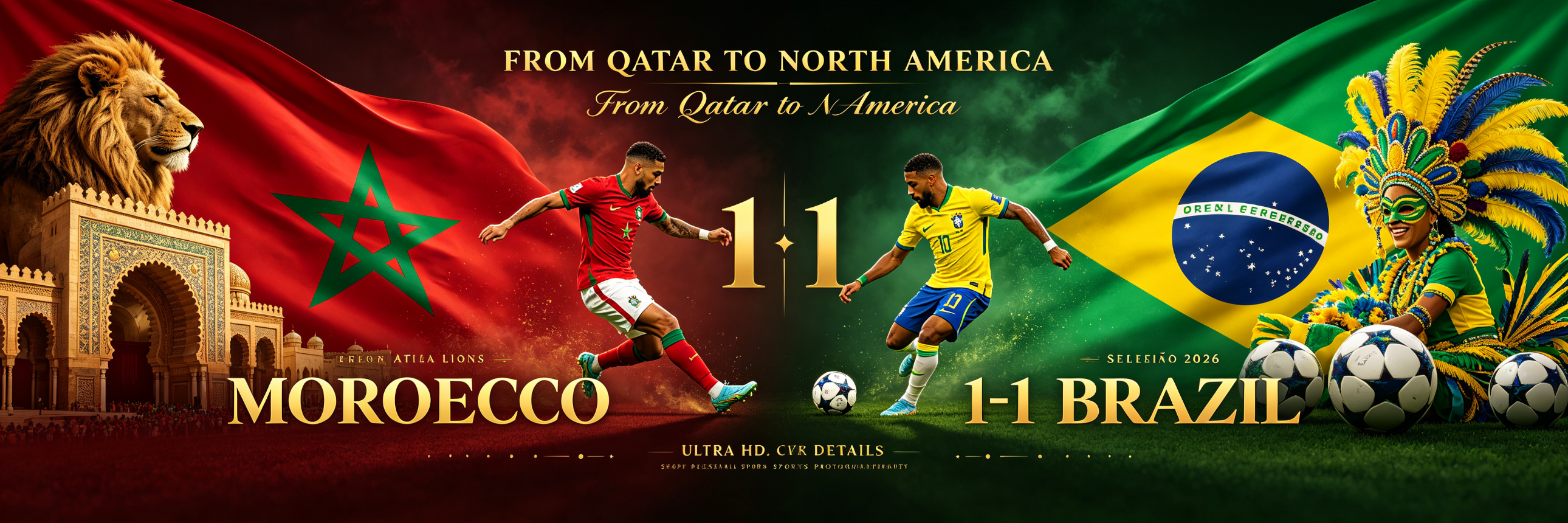
Why Was Morocco's Draw Against Brazil So Significant?
Brazil entered the match carrying the expectations that always accompany one of football's most successful nations. With world-class talent across every position, many expected the South Americans to control proceedings and secure victory.
Instead, Morocco matched Brazil's intensity, resisted periods of pressure, and consistently threatened on the counterattack. The result was a balanced contest that showcased the growth of Moroccan football and reinforced their reputation as one of the most dangerous teams outside the traditional European and South American powerhouses.
Supporters following World Cup contenders can also explore Brazil Jerseys, Argentina Jerseys, France Jerseys, England Jerseys, and Spain Jerseys.
How Has Morocco Continued Its Rise Since Qatar 2022?
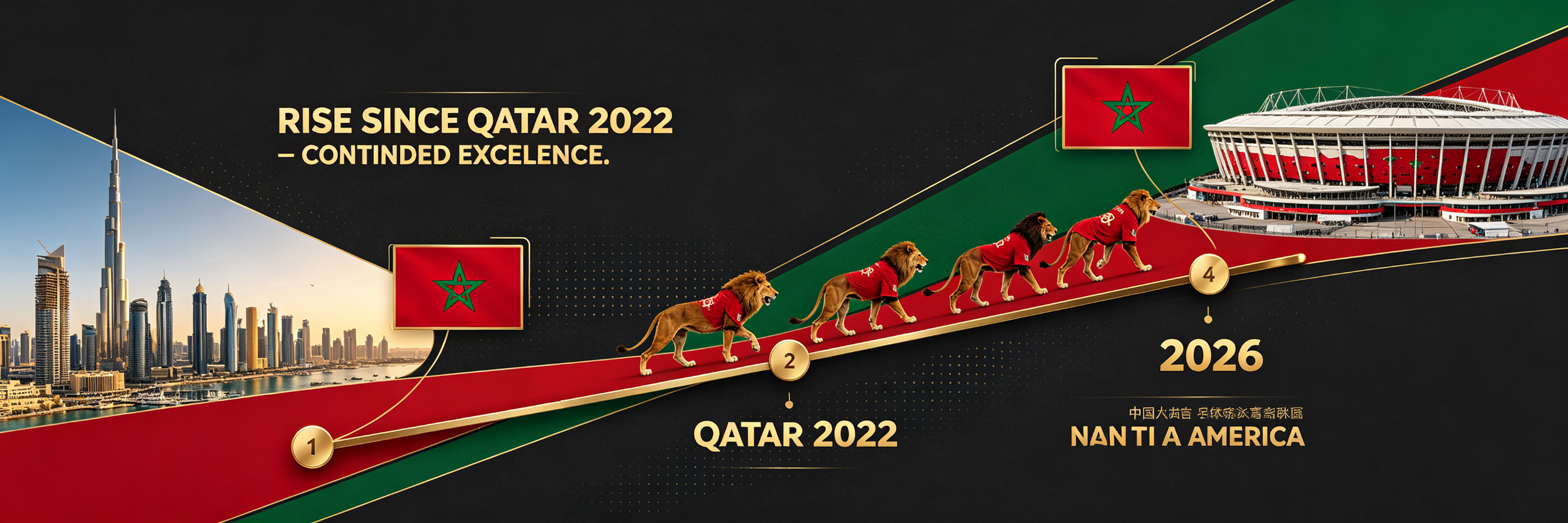
The most impressive aspect of Morocco's recent success is its consistency. The team's achievements can no longer be described as surprising anomalies. Instead, they are the result of long-term development, intelligent squad building, and a strong football identity.
Since their historic World Cup campaign in Qatar, Morocco has continued producing high-level performances against elite opposition. The draw against Brazil further confirmed that their success is sustainable and based on genuine football quality rather than short-term momentum.
This evolution has transformed Morocco from a respected underdog into a legitimate contender capable of challenging the world's strongest teams.
What Tactical Strengths Allowed Morocco to Compete With Brazil?
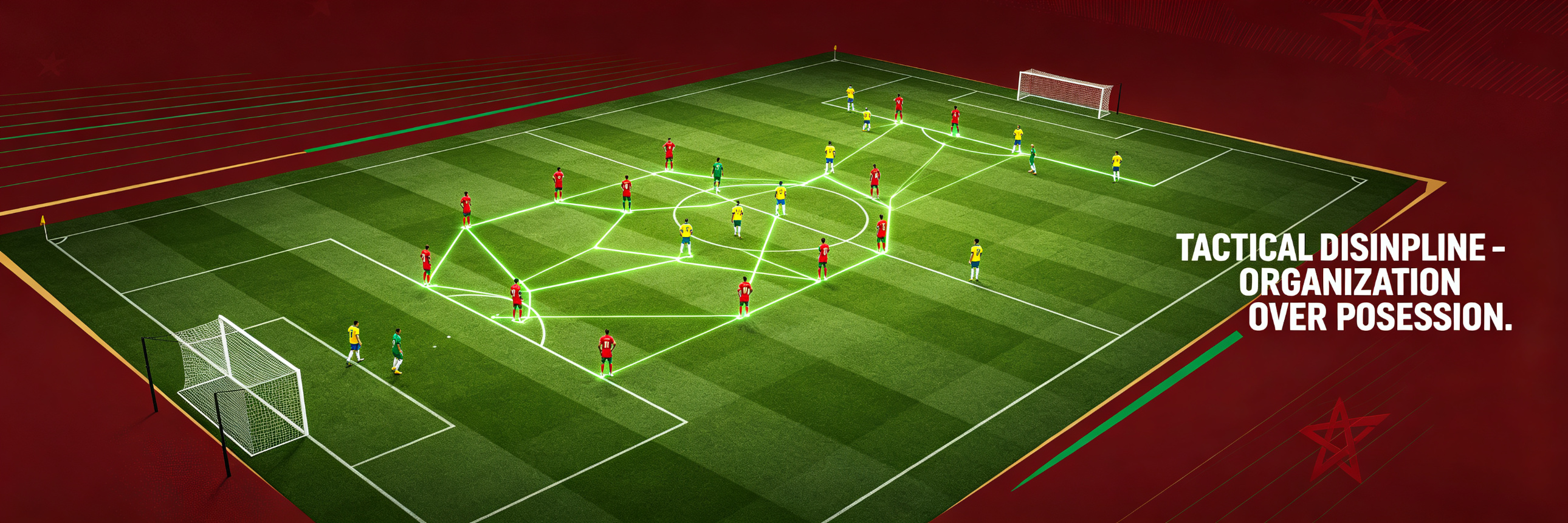
One of Morocco's greatest strengths is tactical discipline. Against Brazil, every player understood their role within the system. The defensive structure remained compact, midfielders worked tirelessly to close spaces, and attacking transitions were executed with precision.
Rather than attempting to dominate possession against technically gifted opponents, Morocco focused on controlling key moments of the match. This intelligent approach limited Brazil's opportunities while creating dangerous situations of their own.
The result was a performance that highlighted modern football's most important lesson: organization and teamwork can compete with individual brilliance.
Which Players Continue to Lead Morocco's Golden Generation?
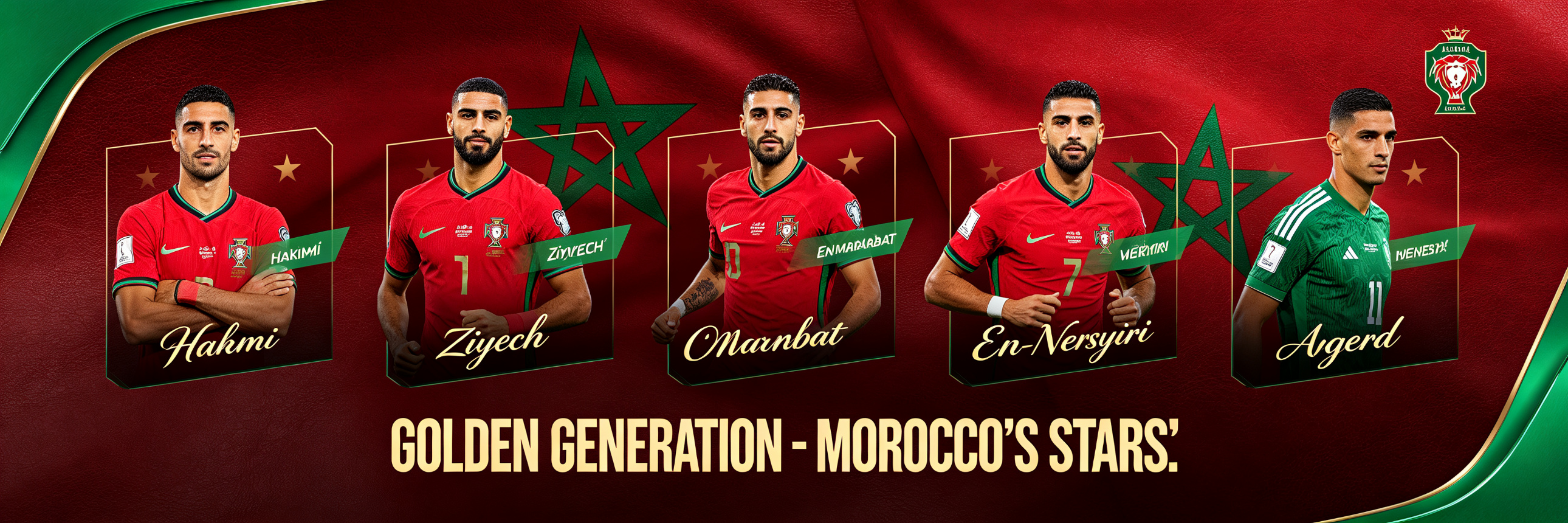
Morocco's success has been built around a talented core of players competing at the highest levels of European football.
- Achraf Hakimi Jerseys
- Hakim Ziyech Jerseys
- Sofyan Amrabat Jerseys
- Youssef En-Nesyri Jerseys
- Naif Aguerd Jerseys
These players provide leadership, experience, and technical quality, allowing Morocco to compete confidently against the world's strongest national teams.
Did Brazil Underestimate Morocco?
Any suggestion that Morocco's performance resulted solely from Brazilian complacency would be unfair. Brazil undoubtedly possesses immense talent, but Morocco earned this result through hard work, preparation, and execution.
The Atlas Lions repeatedly demonstrated that they could handle Brazil's attacking threats while also creating opportunities of their own. This was not a lucky draw—it was the product of a well-organized team competing at a very high level.
Fans of South American football may also explore Uruguay Jerseys, Colombia Jerseys, Chile Jerseys, Paraguay Jerseys, and Ecuador Jerseys.
What Makes Morocco One of the Most Admired Teams in Modern Football?
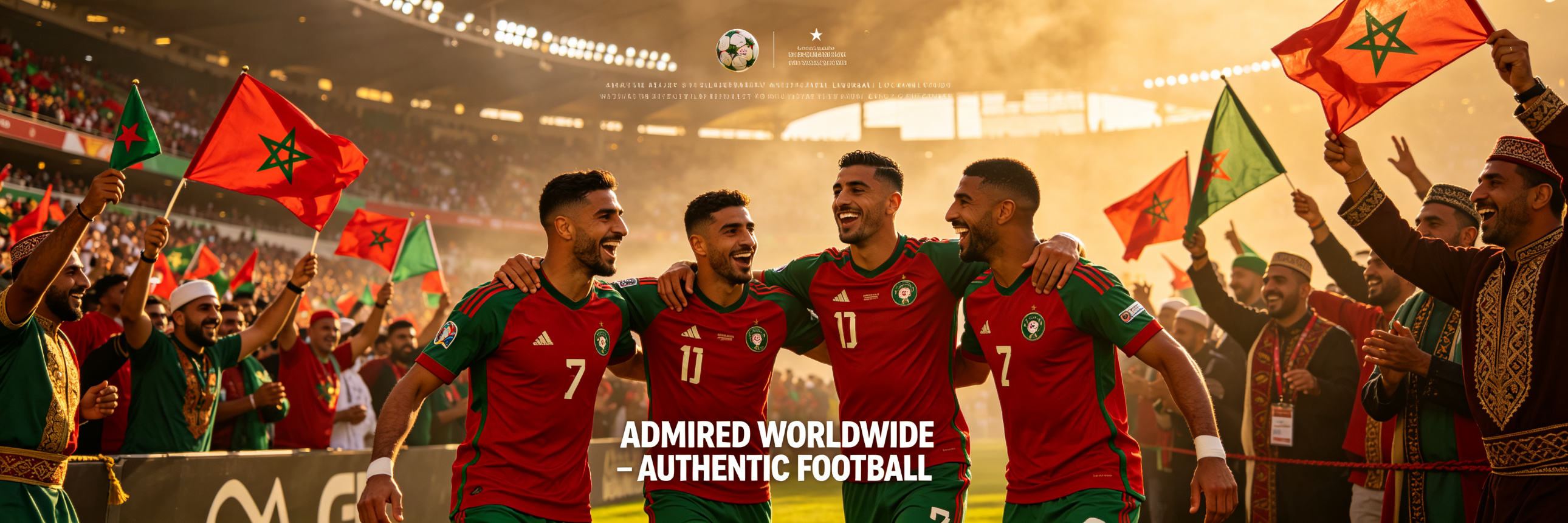
Football fans around the world often gravitate toward teams that combine talent with authenticity. Morocco embodies that combination perfectly. The squad plays with passion, discipline, and a strong connection to its supporters.
Their success story also resonates because it demonstrates that football remains unpredictable. Nations without the resources or historical advantages of traditional giants can still compete through excellent coaching, player development, and collective belief.
This is why Morocco's rise has become one of the most inspiring stories in international football.
Related Morocco Players to Watch During the World Cup
- Abde Ezzalzouli Jerseys
- Azzedine Ounahi Jerseys
- Amir Richardson Jerseys
- Eliesse Ben Seghir Jerseys
- Yassine Bounou Jerseys
Related World Cup Superstars
While Morocco continues its remarkable journey, the tournament remains filled with some of football's biggest names.
- Kylian Mbappe Jerseys
- Jude Bellingham Jerseys
- Erling Haaland Jerseys
- Vinicius Junior Jerseys
- Jamal Musiala Jerseys
- Florian Wirtz Jerseys
- Bukayo Saka Jerseys
- Pedri Jerseys
- Lamine Yamal Jerseys
- Lionel Messi Jerseys
Could Morocco Repeat Its Historic World Cup Success?
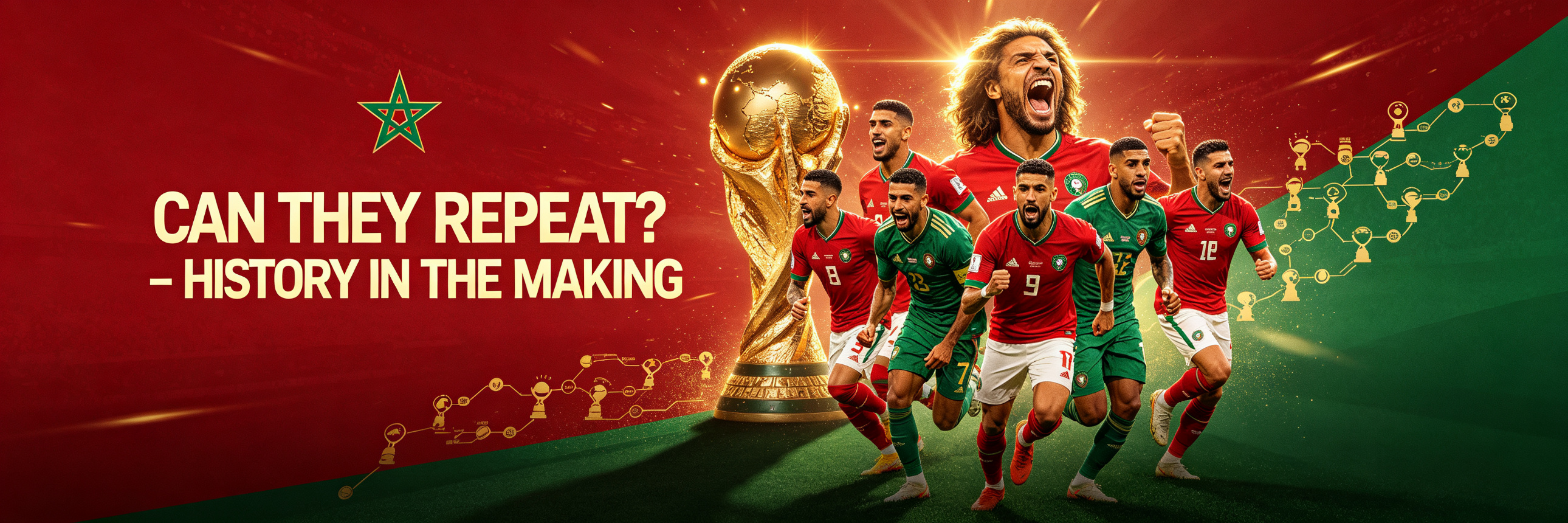
The draw against Brazil suggests that Morocco is once again capable of making a deep tournament run. The team possesses defensive stability, attacking quality, and the confidence that comes from previous success on the global stage.
Most importantly, the players genuinely believe they belong among football's elite. That confidence can be a powerful weapon during the pressure-filled knockout stages of a World Cup.
Final Thoughts
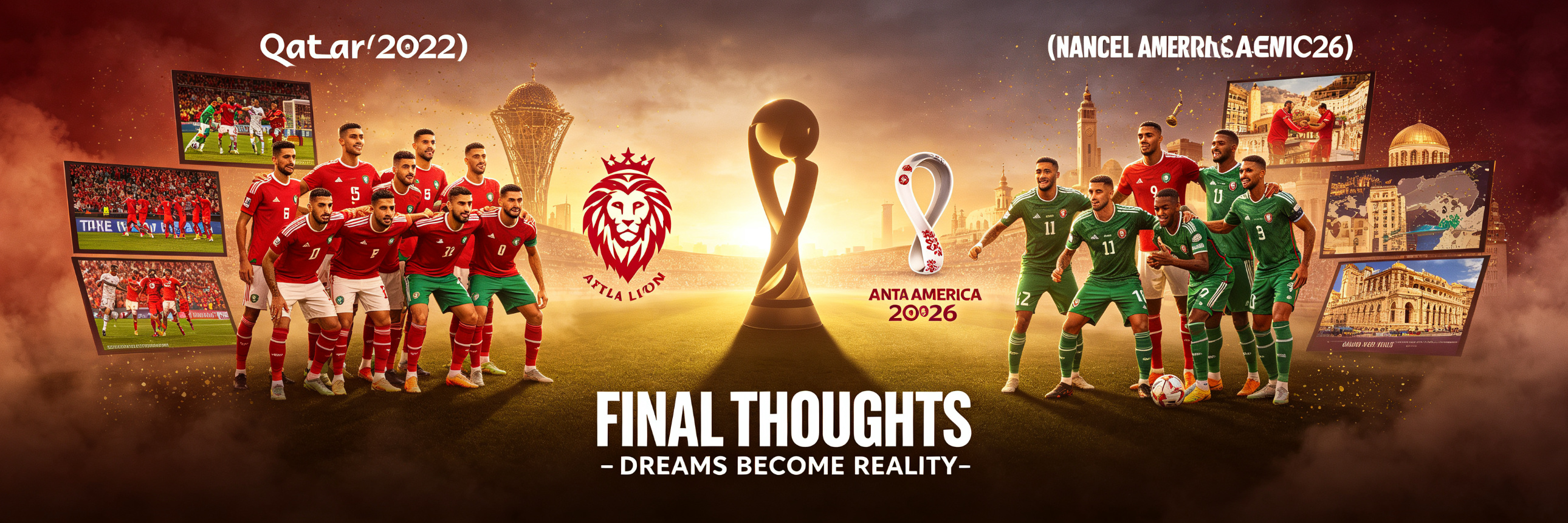
Morocco's 1-1 draw against Brazil was about more than a result. It was a celebration of intelligent football, collective determination, and the continued rise of a nation that refuses to accept traditional limitations.
From Qatar to North America, the Atlas Lions have continued writing one of the most compelling stories in modern football. For supporters proudly wearing Morocco Jerseys, this latest achievement serves as another reminder that dreams backed by talent, discipline, and belief can continue to surprise the world.